Categories: AI Video Workflow, Creator Strategy, Production Process
Tags: seeddance, seedance 2.0, ai video workflow, content strategy, creator toolkit
Introduction
This post explores the journey of filmmaker Jon Finger, from his artistic upbringing and frustrations with traditional Hollywood to his embrace of AI tools like Viggle for building cinematic universes. His story highlights a shift towards more direct and agile creative pipelines in filmmaking.
Creative Background
Jon Finger's path into filmmaking was shaped by a blend of art and engineering. Initially drawn to computer science, he soon discovered his true calling as a visual storyteller. His early career involved creating short films, earning awards at festivals, and gaining practical experience in Hollywood, all of which solidified his creative vision.
Frustration With Traditional Studio Systems
Despite his success, Jon encountered significant limitations within the traditional studio system. The layers of risk management and slow approval processes in Hollywood proved to be a major creative bottleneck. A project with Netflix, for instance, languished for years in negotiations without progressing, reinforcing his desire for a more streamlined and direct creative pipeline.
First Encounter With Generative AI
Jon's introduction to generative AI began with its ability to translate prompts into visuals. This sparked a broader vision: a future where AI could interpret not just text, but also gestures, facial expressions, and eventually construct entire 3D worlds, offering unprecedented creative control.
Discovering Viggle
Viggle emerged as a tool that aligned perfectly with Jon's evolving vision for creative AI. While early versions had limitations compared to established motion-capture tools, the release of Viggle V3 marked a significant leap forward. Its capabilities became compelling enough to rival some professional mocap workflows, making it a viable option for his projects.
How Viggle Fits the Creative Process
Jon integrates Viggle into his workflow as a foundational tool for bringing characters to life and acting out ideas. While he still handles relighting and other visual refinements in separate software, Viggle provides a crucial motion layer that supports his story-first approach to filmmaking.
Workflow
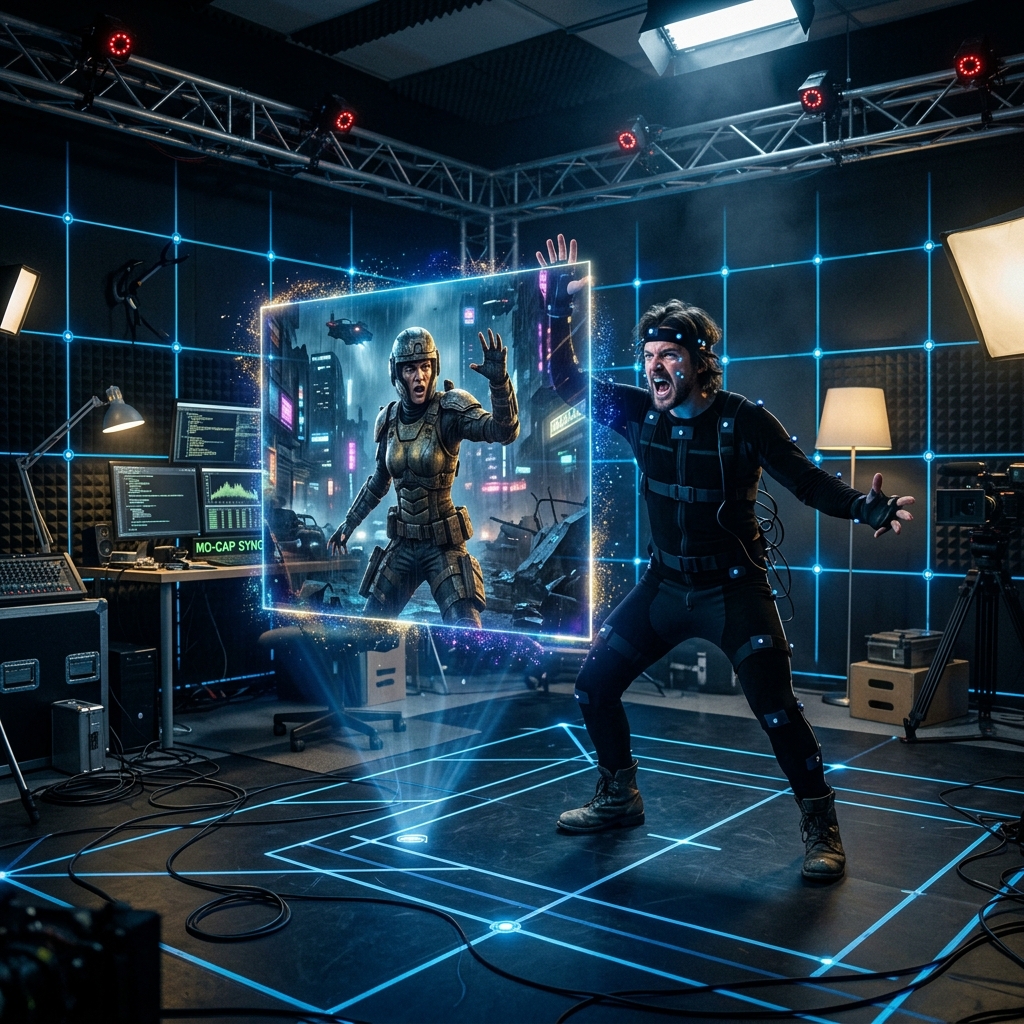
His creative process is intentionally straightforward: Jon personally acts out scenes, then uses Viggle to transfer these motions and performances onto his characters. Following this, he employs Magnific for relighting and adding visual depth, before proceeding with the broader editing and post-production stages.
Perspective on AI Filmmaking
Jon's long-term ambition is to construct and explore interconnected worlds, akin to a personal cinematic universe, without the need for studio approval. In the short term, he aims to develop a robust pipeline for asset storage and to produce a 20-minute story, with plans to expand it into a series.
What Still Needs Improvement
While the broader AI stack for filmmaking still presents challenges and requires workarounds, Jon finds Viggle V3 particularly impactful. It moves him closer to his ideal storytelling pipeline. He hopes for future versions of Viggle to include stronger capabilities for item holding and character interaction.
Conclusion
Jon Finger's journey underscores a growing trend among filmmakers to leverage AI tools like Viggle to overcome traditional creative barriers. By embracing these technologies, creators can pursue ambitious projects and build cinematic universes with unprecedented autonomy.
Next Step
Explore Seeddance workflow templates: https://seeddance.app/
FAQs
1) Can this workflow work for a solo creator? Yes. Jon Finger's experience demonstrates that a solo creator can effectively integrate AI tools like Viggle into their filmmaking process, starting with a focused scope.
2) How does Viggle V3 compare to traditional motion capture? According to Jon, while early versions had limitations, Viggle V3 has evolved to a point where its capabilities are comparable to some traditional motion-capture workflows, making it a powerful tool for independent creators.
3) What are Jon Finger's long-term goals with AI filmmaking? Jon's long-term dream is to build and explore personal cinematic universes without needing studio permission, starting with a pipeline for a 20-minute story that can expand into a series.