Categories: AI Video Workflow, Creator Strategy, Production Process
Tags: seeddance, seedance 2.0, ai video workflow, content strategy, creator toolkit
Introduction
Alex Duva, a student at Chapman University, recently embarked on a daring music video project using a suite of AI tools, including Viggle AI. His experience offers valuable insights into how creators can leverage AI for filmmaking and music video production, transforming challenging creative visions into immersive experiences. This post explores Alex's workflow, his perspective on AI tools, and how Viggle AI significantly contributed to his project.
Core Content Blocks
1) Perspective on AI Tools
Alex views AI tools like DALL-E as a natural progression in creative technology, similar to the advent of computer graphics. While new technologies often face initial resistance, he believes they become invaluable when artists integrate them thoughtfully into their creative processes, enhancing rather than replacing personal artistic vision.
2) Brainstorming Music Video Concepts
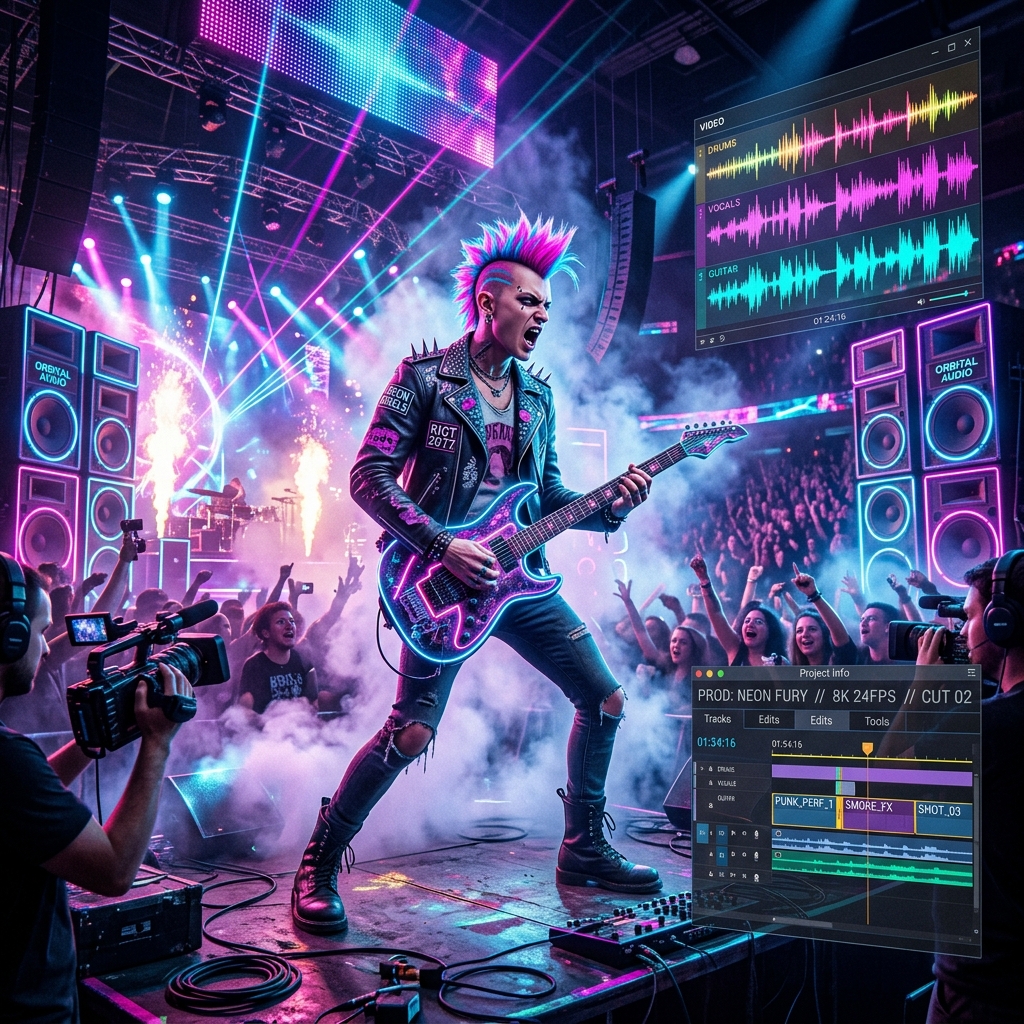
For his music video projects, Alex begins by brainstorming core themes and visuals. He then turns to AI tools such as Udio and MidJourney to explore various creative directions. For one particular project, this involved generating punk-rock-inspired lyrics, imagery, concert aesthetics, and developing a unique 3D CG character.
3) Experience With Video Generation Tools
Alex experimented with several video generation tools, including Stable Video and Runway. He encountered credit limitations that necessitated switching platforms. Interestingly, one instance of a misaligned result became a "useful accident," as the imperfect synchronization added an unexpected and compelling creative quality to his work.
4) Recent Project Workflow
Alex's project workflow was a multi-stage process. He utilized Adobe Premiere for initial editing, Midjourney for visual asset generation, and Viggle AI for motion capture and video generation. Following this, he performed another editing pass to stitch all elements together and used Topaz for final upscaling, ensuring a polished output.
5) Why Viggle Helped
Viggle AI proved to be a game-changer for Alex. Instead of relying on text prompts, he could use pre-recorded video as input. This approach made it significantly easier to capture the precise movement, pacing, and shot variety essential for a dynamic music video format, allowing for greater control over the intended creative outcome.
6) Convenience for Larger Projects
The ability to download assets directly from the web and utilize Viggle's provided trial made the platform particularly convenient for Alex's larger creative projects. This eliminated the need to rely solely on a phone-based workflow, streamlining the production process for more complex endeavors.
7) Future Community and Publishing
Viggle encourages creators like Alex to share their work on platforms like Twitter and engage with the broader AI video community. This emphasis on distribution and community feedback is seen as a vital part of the creative loop, fostering growth and collaboration among artists.
8) Excitement About AI in Art and Filmmaking
Alex is enthusiastic about the potential of AI to combine music, visuals, and motion in ways that were previously challenging. He sees Viggle as a key component in a broader shift, empowering students and creators to build immersive creative experiences more rapidly and efficiently.
Practical Weekly Workflow
- Define Objectives: Choose 2-3 core creative blocks from your project and set clear weekly objectives for each.
- Draft Content: Create a concise first draft for each selected block.
- Refine and Publish: Improve the structure, tone, and clarity of your content before publishing.
- Measure Performance: Compare different creative variants using a single measurable KPI.
- Optimize: Retain only the formats and approaches that consistently outperform your baseline.
Conclusion
Standardizing the production process is the most reliable way to scale creative output. By maintaining a stable structure, iterating on individual sections, and scaling only what demonstrates proven performance, creators can achieve greater efficiency and consistency.
Next Step
Explore Seeddance workflow templates: https://seeddance.app/
FAQs
1) Can this workflow work for a solo creator? Yes. Solo creators can start with a smaller weekly scope and reuse the same production blocks to maintain consistency.
2) How many variants should I test per post? Testing 2 to 4 focused variants is generally sufficient to identify clear winners and optimize your creative approach.
3) Should I prioritize trends or consistency? Use trends to expand your reach, but maintain a consistent format system for long-term brand recognition and audience memory.