Categories: AI Video Workflow, Creator Strategy, Production Process
Tags: seeddance, seedance 2.0, ai video workflow, content strategy, creator toolkit
Introduction
While using a single image as a reference for AI video generation might seem convenient, it often introduces significant disadvantages. This guide explores why a character sheet is a game-changer for achieving consistent and high-quality AI-generated videos, grounded in the capabilities of Seeddance 2.0.
Quick Visual Reference
Core Content Blocks
The Problem with Single-Image References
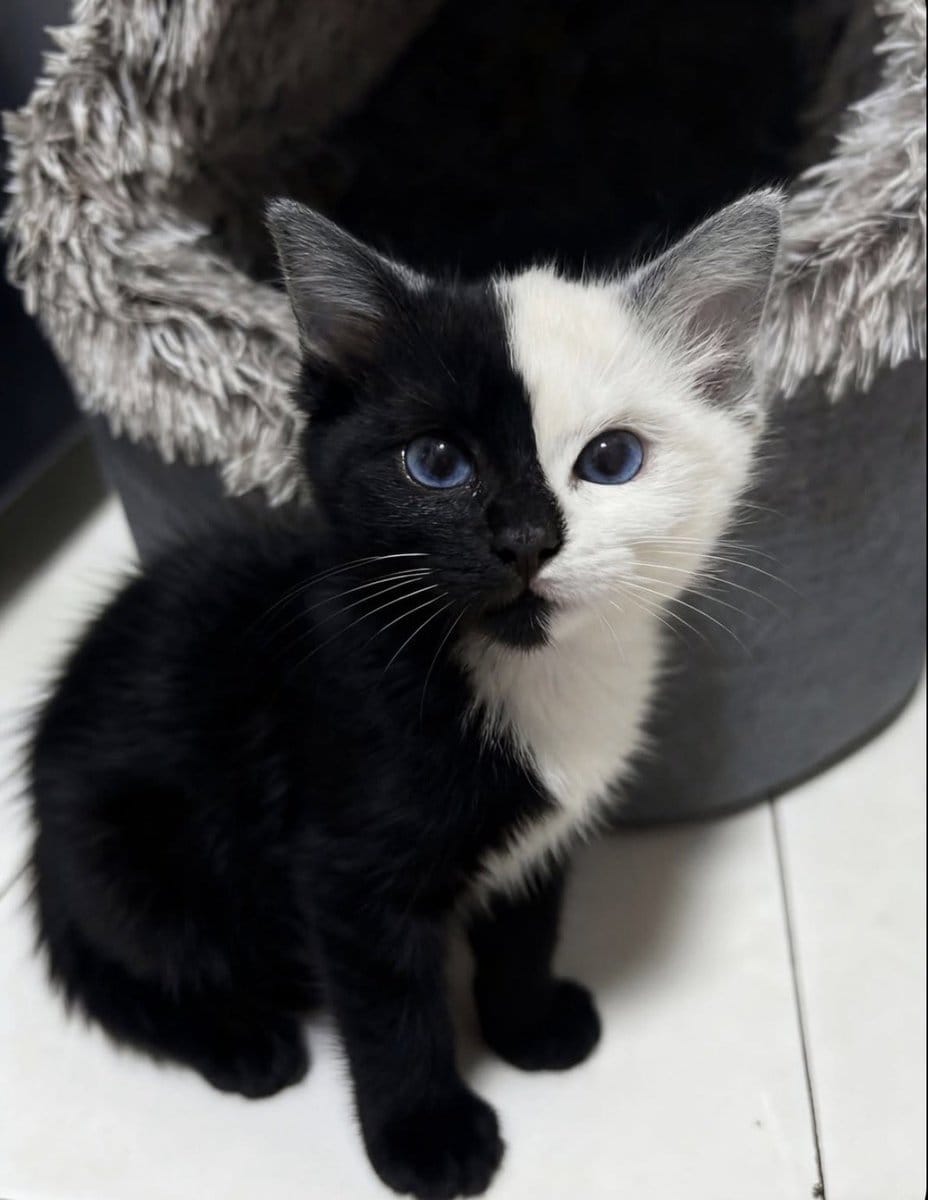
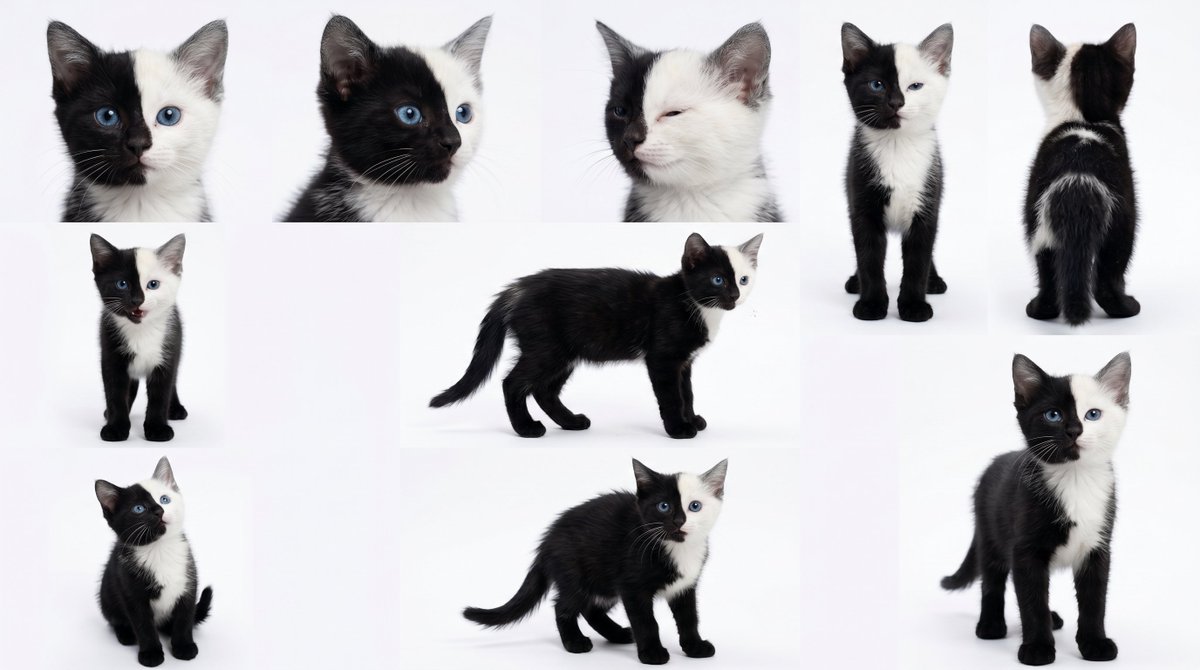
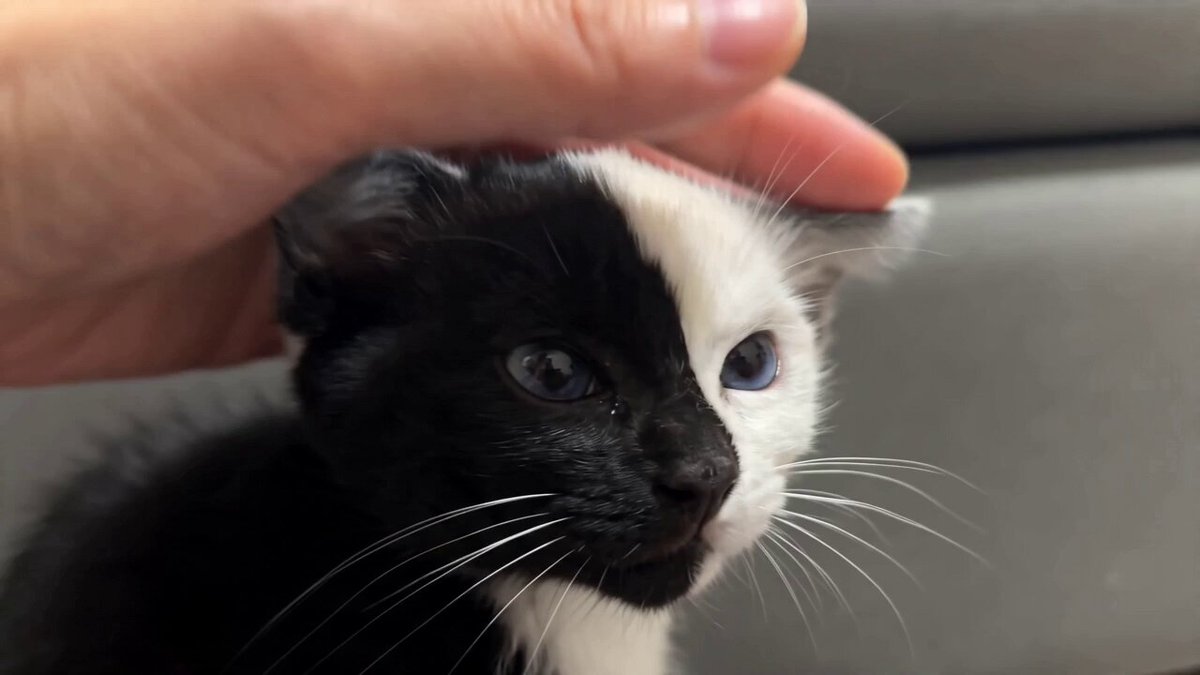
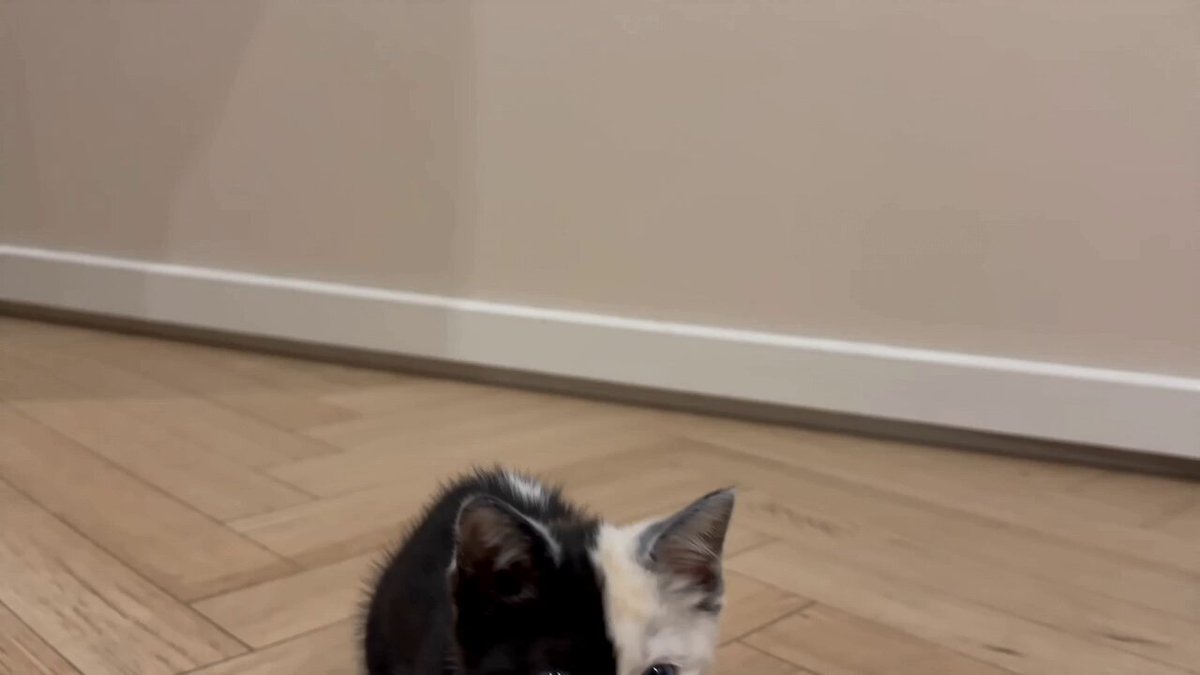
When you provide the AI with only one image, it can only "see" that single angle of your subject. This forces the AI to guess and fill in the blanks for unseen parts, leading to inconsistencies. For example, if an AI generates a video of a kitten from a single frontal image, and the back legs aren't visible, their color might unpredictably shift throughout the scene. This happens because the AI lacks a complete understanding of the subject's full form.
The Solution: Creating a Character Sheet
A character sheet solves the limitations of single-image references. Instead of uploading multiple individual images, you can combine all necessary angles and details of your subject into a single image asset. This provides the AI with a comprehensive view. You can easily generate a character sheet using tools like NanoBanana or GPT-Image 2 directly on platforms like Kinovi.
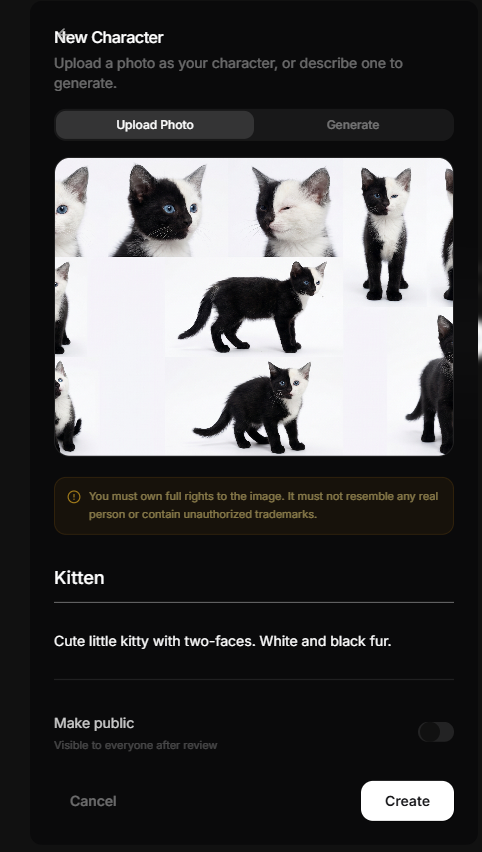
Turn Your Sheet into a "Character Model"
Once you've created your ideal character sheet, you can further enhance your workflow by saving it as a "Character" on the Kinovi platform. This step streamlines future projects, allowing you to reuse your detailed character reference effortlessly.
The Final Result
By feeding both your initial inspiration image and your newly created, detailed character sheet into the video generator, you equip the AI with a complete 360-degree understanding of your subject. This comprehensive input significantly reduces errors and ensures greater consistency in the generated video, leading to a more polished and predictable final product.
Related Models and Capabilities on Seeddance
Seeddance offers various models to support your AI video generation needs:
- HappyHorse 1.0: Enables prompt, image, and reference-led video generation, integrated with the shared Seeddance 2.0 route.
- Seeddance 2.0: Supports prompt and reference image generation for characters, products, and produces 4K-ready outputs.
- NanoBanana 2: A model available on the Kinovi platform, useful for generating character sheets.
These models facilitate text and image to video generation with native 720p and 1080p output options, ensuring high-quality results.
Practical Weekly Workflow
- Define Objective: Choose 2-3 key elements from this guide and set a weekly goal for their implementation.
- Draft: Create a concise first draft for each selected element.
- Refine: Improve the structure, tone, and clarity of your drafts before publishing.
- Compare: Evaluate different variants using a single, measurable KPI.
- Optimize: Retain only the formats that consistently outperform your baseline.
Conclusion
Standardizing your production process with tools like character sheets is the most reliable way to scale your content output. By maintaining a stable structure and iterating on individual sections, you can scale only what proves effective, ensuring consistent performance and quality.
Next Step
Explore Seeddance workflow templates: https://seeddance.app/
FAQs
1) Can this workflow work for a solo creator? Yes. Start with a small weekly scope and reuse the same production blocks to build efficiency.
2) How many variants should I test per post? Testing 2 to 4 focused variants is generally sufficient to identify clear winners and optimize your content.
3) Should I prioritize trends or consistency? Leverage trends for broader reach, but maintain a consistent format system to build long-term brand recognition and memory.