Categories: AI Video Workflow, Creator Strategy, Production Process
Tags: Elser AI, Kling 3.0, AI video generation, cinematic anime, creator guide
Introduction
Kling 3.0 is rapidly becoming the most talked-about AI video model of 2026, especially for its ability to generate cinematic anime. This guide will walk you through how to leverage Kling 3.0 within the Elser AI platform to create stunning video content.
Kling 3.0: Why Everyone's Talking About It
Kling 3.0 has captured widespread attention for its advanced capabilities in AI video generation. It represents a significant leap forward from previous models, offering creators unprecedented control and quality.
So What Makes Kling 3.0 So Good?
The standout feature of Kling 3.0 is its Multi-Shot Narrative Generation. Unlike earlier AI video models that were limited to producing a single continuous shot, Kling 3.0 can generate multiple distinct shots, drastically expanding storytelling possibilities. This allows for more complex narratives and dynamic visual sequences.
How to Use Kling 3 on Elser AI: Step-by-Step
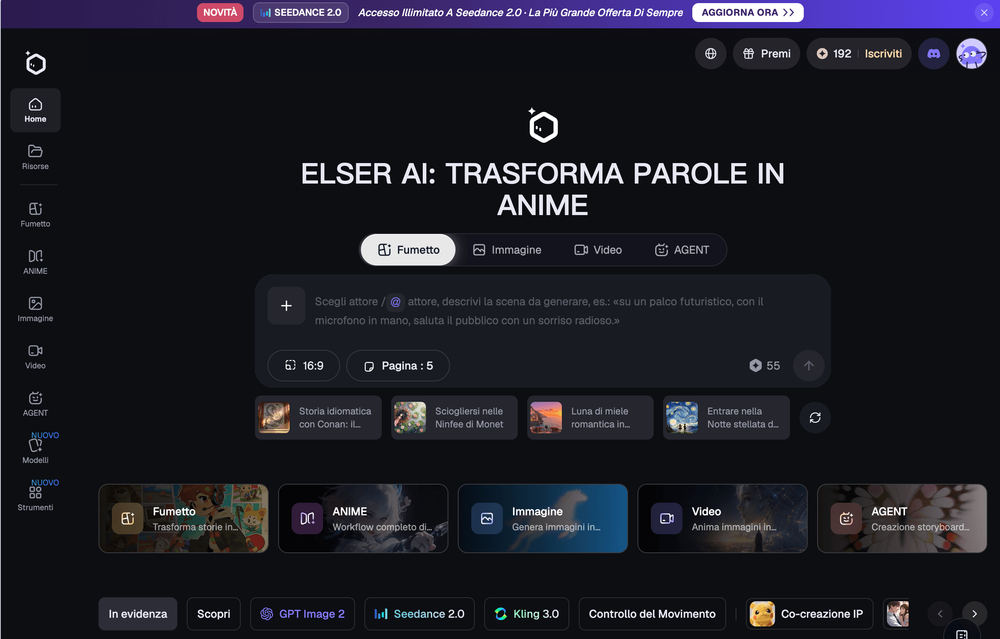
Here’s a practical guide to accessing and integrating Kling 3.0 into your creative projects via Elser AI.
Step 1: Log into Your Elser AI Dashboard
First, ensure you have a Seeddance account. If not, create a free account at https://seeddance.app/. New users can test AI video workflows without juggling multiple tools.
Step 2: Choose Your Model
Elser AI acts as a hub for various AI models. Once logged in, start a new video project. You'll find a model selection dropdown where you should choose "Kling 3.0" or "Kling 3.0 Omni" for the full-feature version.
Step 3: Input Your Source Material
Kling 3.0 supports Text-to-Video generation. Simply describe your desired visuals using natural language.
Step 4: Craft Your Prompt
Kling 3.0 excels at understanding cinematic language. To get the best results, focus on writing detailed and descriptive prompts that convey your vision clearly.
Step 5: Set Your Parameters
One key parameter is Duration. Kling 3.0 can generate up to 15 seconds per segment. For longer videos, you'll generate multiple segments and stitch them together in post-production.
Step 6: Generate and Review
Click "Generate" and let Kling 3.0 work its magic. Generation times vary based on length and resolution, typically ranging from 30 seconds to a few minutes for complex outputs. Review your generated content and make any necessary adjustments.
Kling 3's Best Features (and How to Use Them)
Kling 3.0 offers several features that set it apart. Here are some of the most impactful, along with tips for maximizing their potential:
- Multi-Shot Narrative Generation: As mentioned, this allows for complex storytelling. Plan your video in distinct scenes and generate each shot separately, then combine them.
- Cinematic Language Understanding: Write prompts that use film terminology (e.g., "wide shot," "dolly zoom," "low angle") to guide the AI more effectively.
- High-Quality Anime Output: Kling 3.0 is particularly adept at producing stunning anime-style visuals. Experiment with different art styles and character descriptions.
Practical Example: Making a 3-Minute Anime Video with Kling 3 + Elser
To illustrate Kling 3.0's power, consider a workflow for creating a 3-minute anime-style music video using Elser AI. This involves generating numerous 15-second segments, carefully prompted to maintain narrative continuity and visual style, and then assembling them in a video editor. This approach allows for detailed control over each scene and the overall flow of the video.
Pro Tips for Getting the Most Out of Kling 3 on Elser
After extensive experimentation, here are some insights for optimizing your Kling 3.0 workflow:
- Iterate on Prompts: Don't be afraid to refine your prompts. Small changes can lead to significant improvements in output.
- Plan Your Shots: Before generating, outline your video's sequence of shots. This helps in creating coherent multi-shot narratives.
- Utilize Elser AI's Aggregation: Leverage Elser AI's platform to manage multiple generations and projects efficiently.
- Post-Production is Key: For longer or more polished videos, use external editing software to stitch segments, add music, sound effects, and final touches.
Ready to Create with Kling 3 on Elser AI?
Kling 3.0, accessible through Elser AI, empowers creators to produce high-quality, cinematic AI-generated videos, especially in the anime style. By following these steps and tips, you can unlock its full potential and bring your creative visions to life.
FAQs
1) What is Kling 3.0 Omni? Kling 3.0 Omni is the full-feature version of Kling 3.0, offering the complete range of its advanced capabilities, including multi-shot narrative generation.
2) How long can a single generation be with Kling 3.0? Each generation can be up to 15 seconds long. For longer videos, you'll need to generate multiple segments and combine them.
3) Does Elser AI offer a free trial for Kling 3.0? Yes, new users on Elser AI receive welcome credits that can be used to test Kling 3.0 generation without any upfront cost.