Data Table
Standard Data Table
Clean, structured tables ideal for numerical and categorical data presentation.
Standard data table, clear headers, organized rows and columns, professional look.
Turn a clear creative brief into a polished table image.
Start with a text prompt or uploaded image and describe the composition, lighting, color, styling, and subject detail that matter for this table image. Generate a first image, compare variations, and refine the direction until it fits your intended story, campaign, or design.

Use this example to study the framing, detail, and creative decisions that make a table image feel intentional rather than generic.
Our AI Table Generator supports various table formats and styles to fit your specific needs.
Clean, structured tables ideal for numerical and categorical data presentation.

Hierarchical tables perfect for organizing document structures and content flows.

Tables formatted for easy export and integration into Excel spreadsheets.

Tables designed to highlight differences and similarities between items or features.

Concise tables for summarizing key findings and data points in reports.

Detailed tables for itemizing services or products, often from scanned documents.
See how our AI Table Generator brings clarity and structure to various contexts.
A table summarizing quarterly sales figures for a business report.

A structured table of contents for an academic research paper.

A simple table for tracking monthly personal expenses and income.
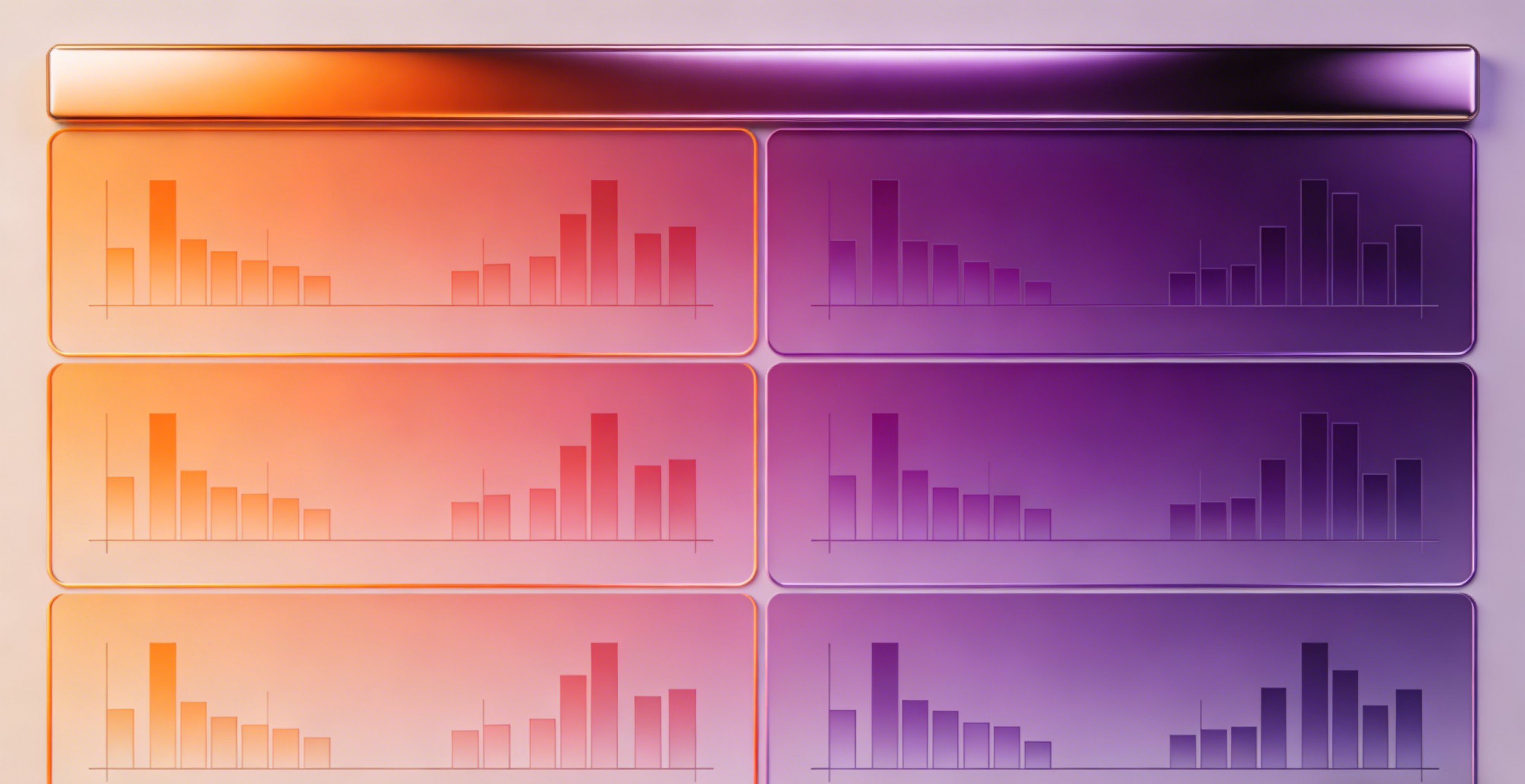
An organized table outlining sections and topics for a blog post.
Move from a broad idea to a usable image with clearer direction, faster comparisons, and a practical handoff into Seedance 2.5.
Shape the composition, lighting, color, and subject details for a more intentional table image result.
Use a clear reference and focused direction to keep the table image look coherent across variations.
Refine the strongest output for social posts, campaign concepts, thumbnails, or design exploration.
Compare alternate framing and styling choices before selecting the final table image.
Use this workflow when you need a specific table image rather than a generic asset. Define the intended audience, platform, and visual or tonal direction before generating.
Describe concrete production cues such as composition, lighting, color, styling, and subject detail. Specific direction gives the generator a clearer target and makes each revision easier to evaluate.
Start with the prepared workflow, refine the details that define this table image, then keep the best result or continue editing in Seedance 2.5.
Open the generator and add a text prompt or uploaded image that clearly establishes the subject and creative direction.
Describe composition, lighting, color, styling, and subject detail, then remove conflicting instructions that could weaken the table image.
Compare the generated variations, keep the strongest image, and refine it for the final use.
Practical answers about creating, refining, and using a table image in Seedance 2.5.
It creates a focused table image from a text prompt or uploaded image. Use the available controls to guide composition, lighting, color, styling, and subject detail, then compare variations before choosing the final result.
Use a clear, high-quality source that makes the main subject easy to identify. A focused source gives the table image a stronger visual or tonal foundation.
Prioritize composition, lighting, color, styling, and subject detail. Add only details that directly support the intended table image, and remove instructions that compete with one another.
Keep the strongest table image as a finished asset or continue refining it with another Seedance 2.5 tool. A focused source and concise prompt make later revisions easier to control.
Commercial use depends on your plan, the applicable model terms, and the rights attached to your source material. Review the current terms before publishing or selling the result.
Move from this table image into the next Seedance 2.5 tool without losing the direction established in your selected result.
Condense lengthy documents into key insights before structuring them into tables.
Convert various document formats, making them easier to extract data from for tables.
Transform your generated table data into compelling visual charts and graphs.
Generate content that can then be structured into tables or outlines for reports.
Use complementary image, video, and audio tools when the project needs additional editing, motion, sound, or format changes.
Rapidly extract data points from complex documents for quick table generation.
Achieve higher fidelity and accuracy when extracting data from images and scanned PDFs.
Make targeted edits and structural adjustments to your generated tables without reprocessing.
Explore broader structural alternatives and intelligent formatting for your data inputs.
Start with a text prompt or uploaded image, direct the details that define the table image, and refine the strongest result in Seedance 2.5.