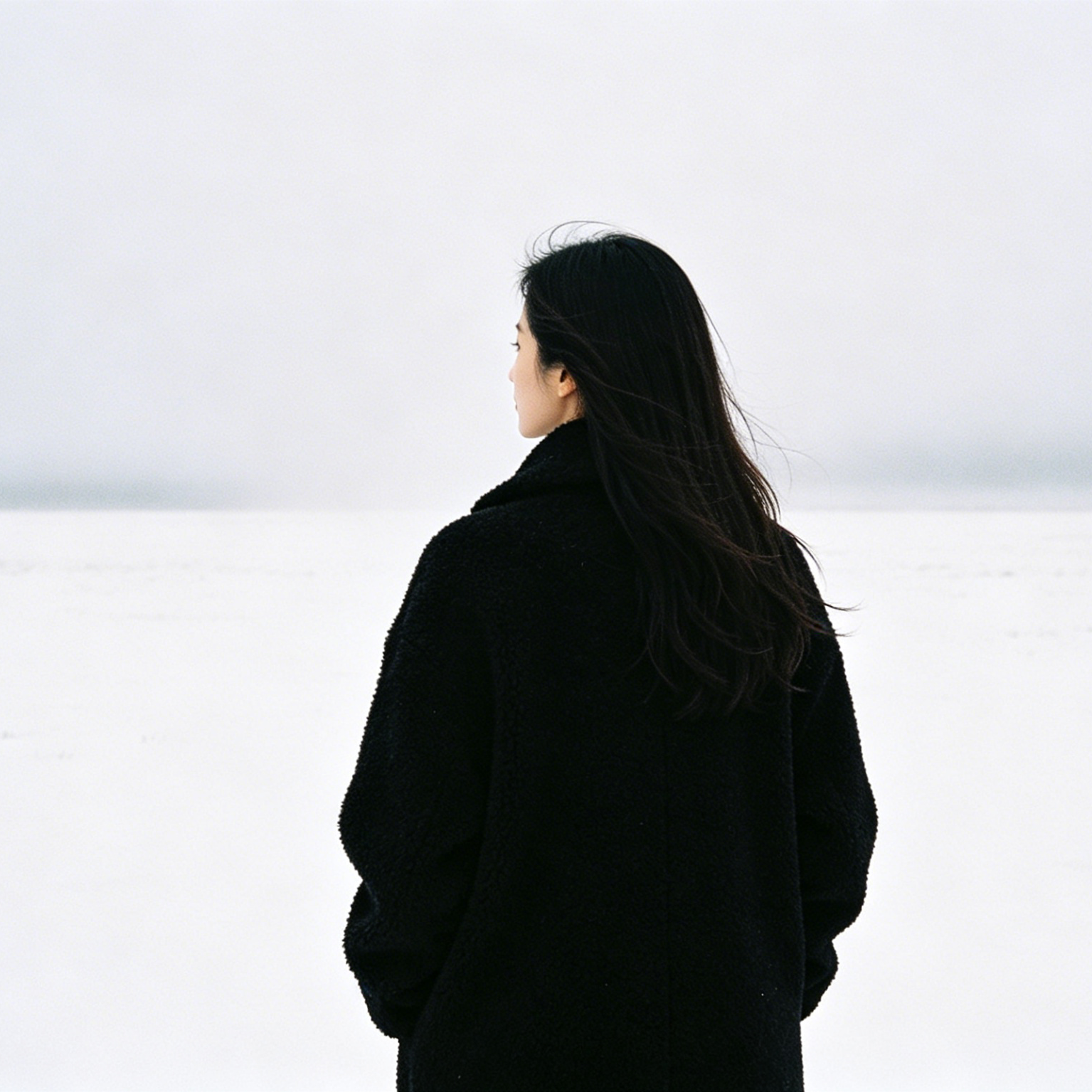
A Lone Figure In A Vast,
A Lone Figure In A Vast, landscape, rendered with clear composition, rich detail, and strong mood control for striking visual art.
Build a focused visual art with a guided Seedance 2.5 workflow.
Start with a text prompt or uploaded image and describe the composition, lighting, color, styling, and subject detail that matter for this visual art. Generate a first image, compare variations, and refine the direction until it fits your intended story, campaign, or design.

Use this example to study the framing, detail, and creative decisions that make a visual art feel intentional rather than generic.
Discover a wide range of artistic styles and themes. Choose the direction that best matches your vision for unique visual art.

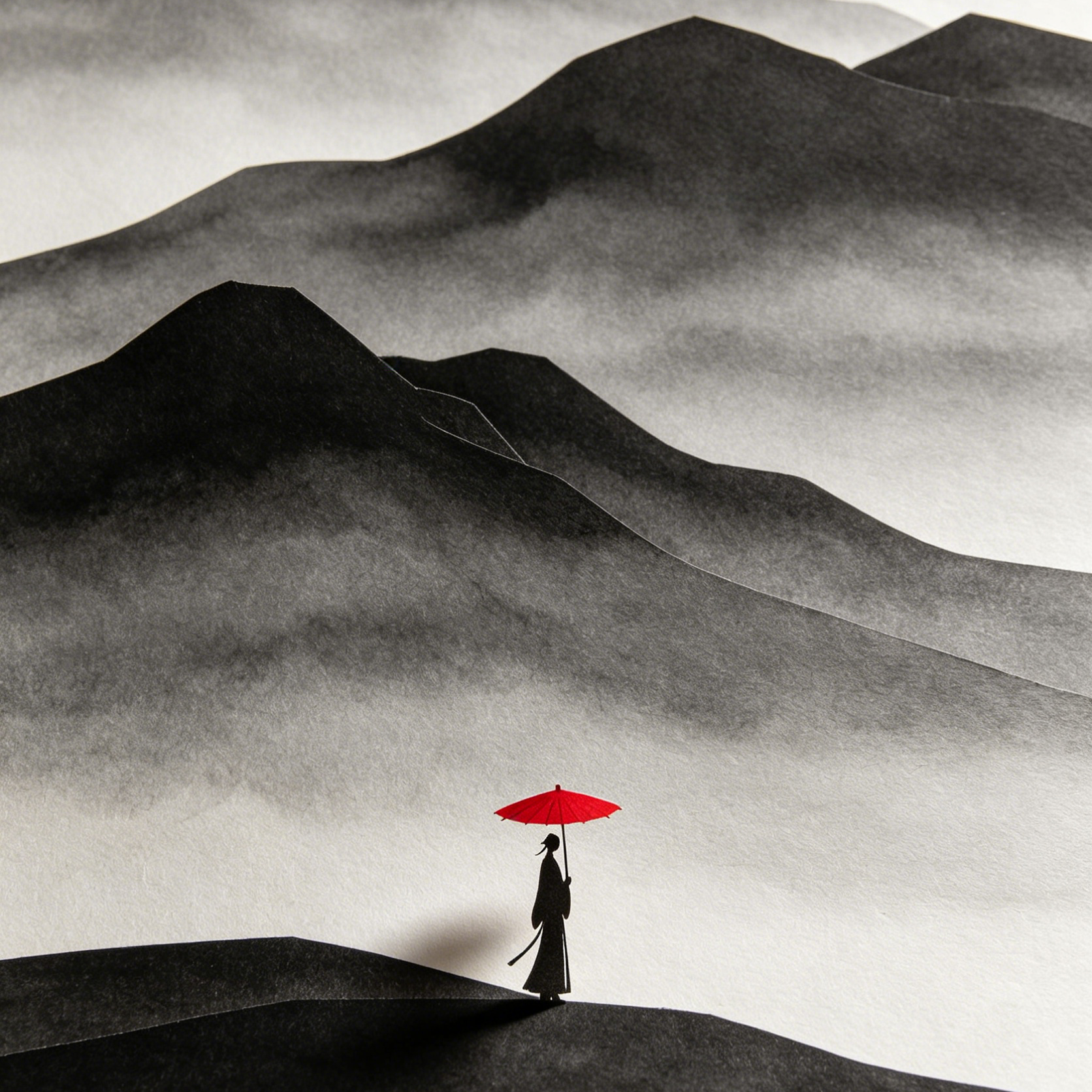
A Lone Figure In A Vast, landscape, rendered with clear composition, rich detail, and strong mood control for striking visual art.

High-contrast Black And White Shot Of a bustling city street, emphasizing sharp lines and dramatic shadows for impactful visual art.

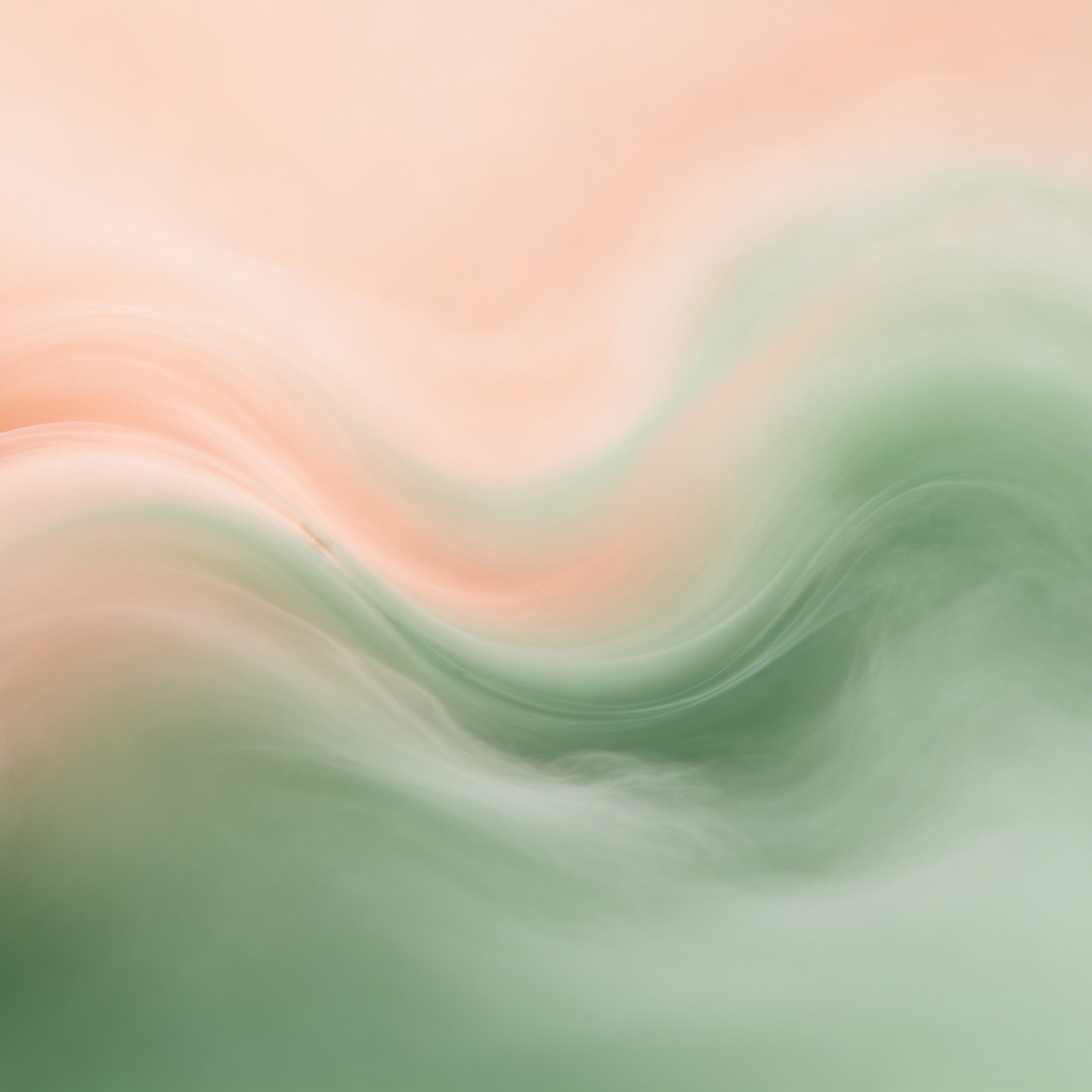
Soft Gradients Of Peach And Sage, creating an ethereal, abstract visual art piece with delicate transitions and serene tones.

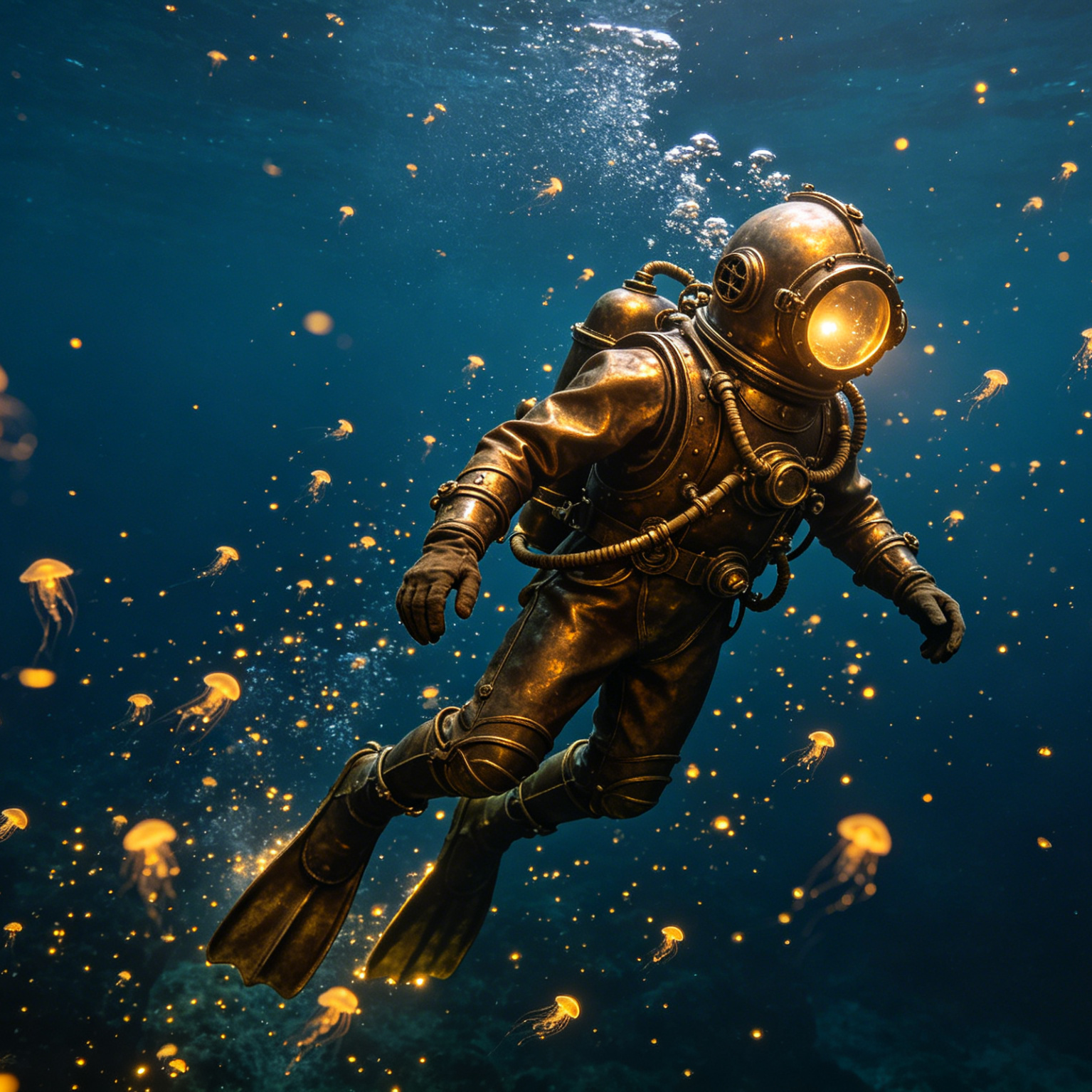
A Diver Surrounded By Tiny, Glowing bioluminescent creatures in a deep-sea cavern, capturing a sense of wonder and mystery in visual art.

Layered Paper-cut Mountains In Shades Of blue and green, forming a whimsical and intricate visual art landscape with depth.

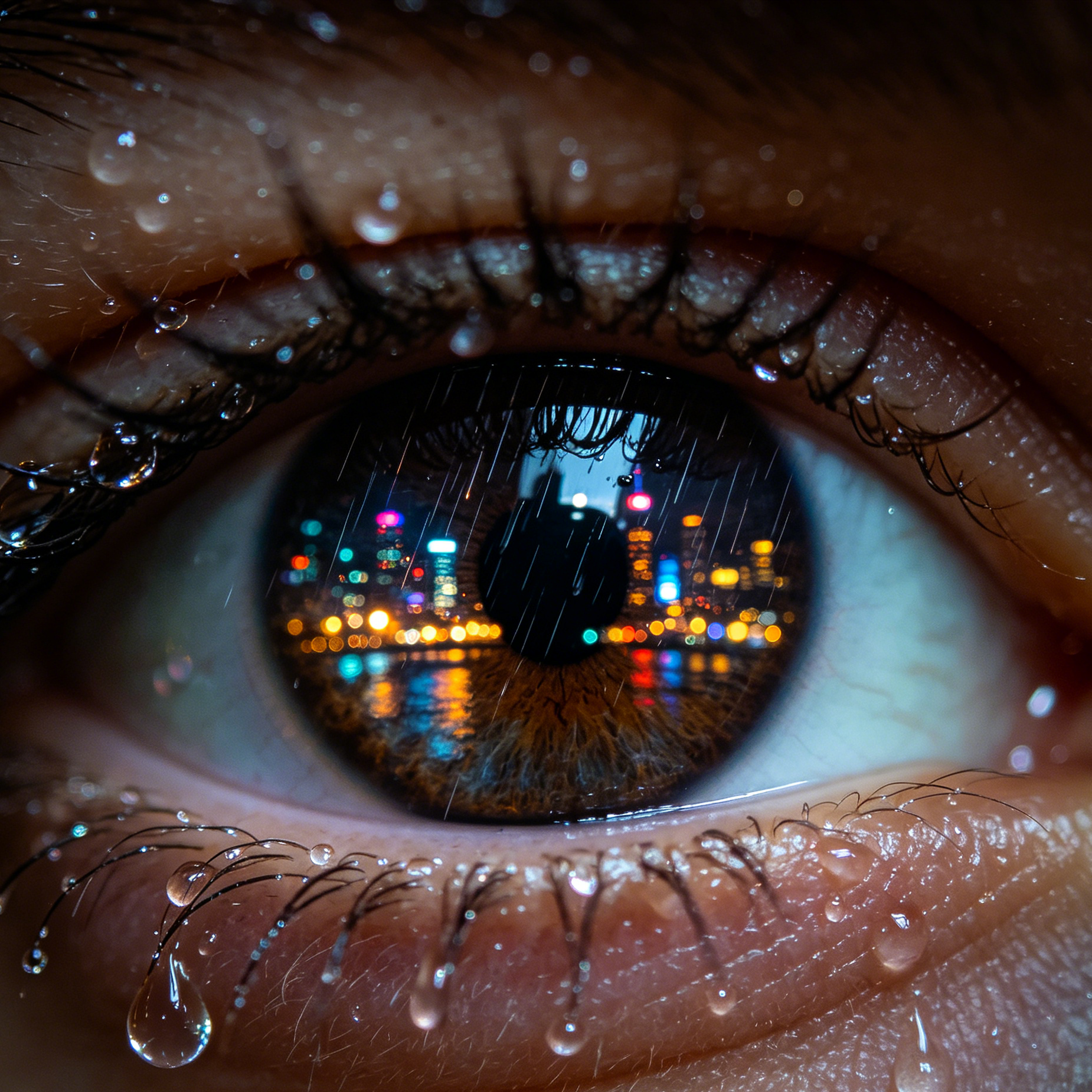
Rainy Street Lights Reflected In An urban puddle, creating a moody and atmospheric visual art scene with vibrant, blurred colors.
Visualize product concepts, design captivating marketing visuals, or create personal masterpieces. Our tool brings any scene or idea into vivid focus.

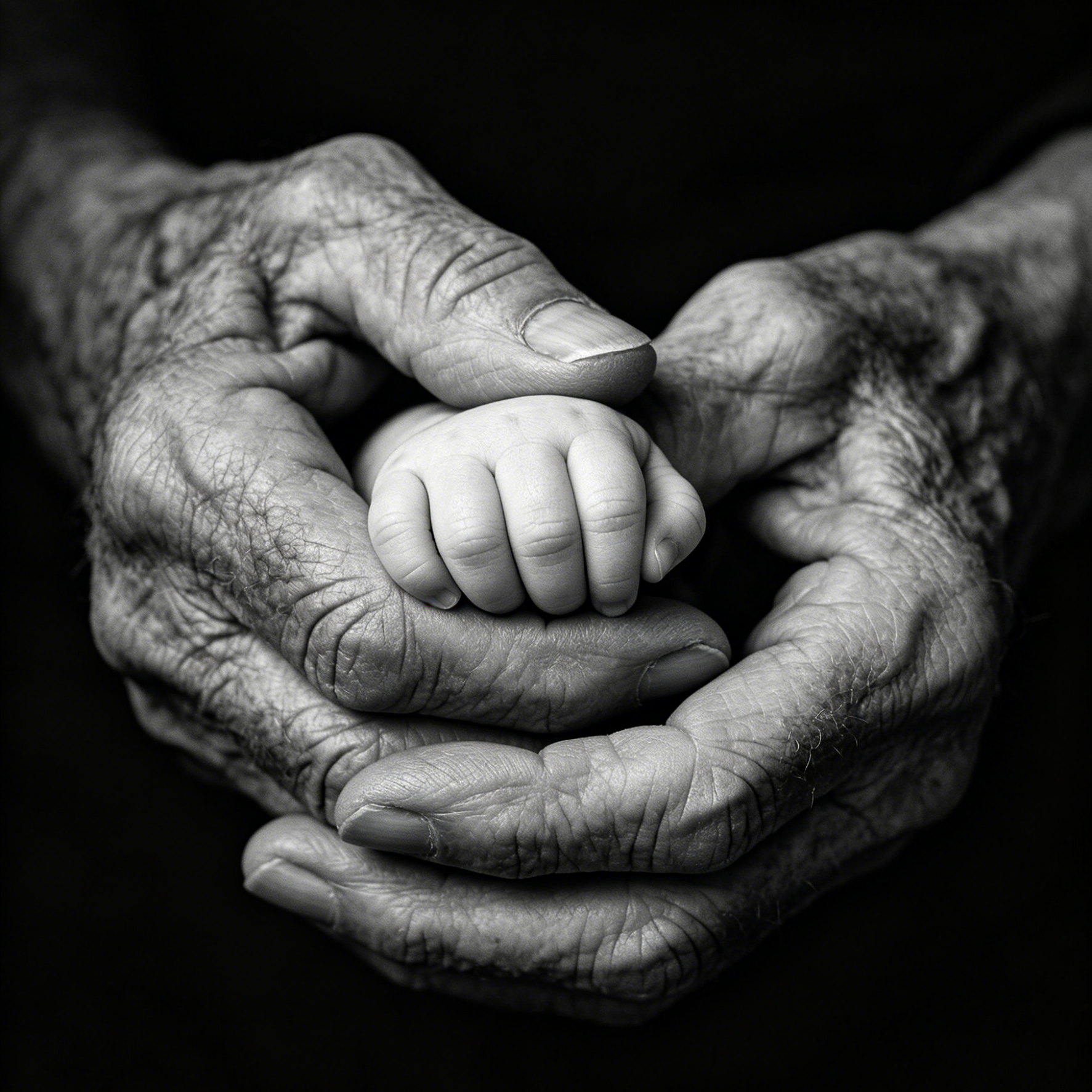
Example output showing how AI Visual Art Generator can adapt visual art ideas to different visual goals and contexts.

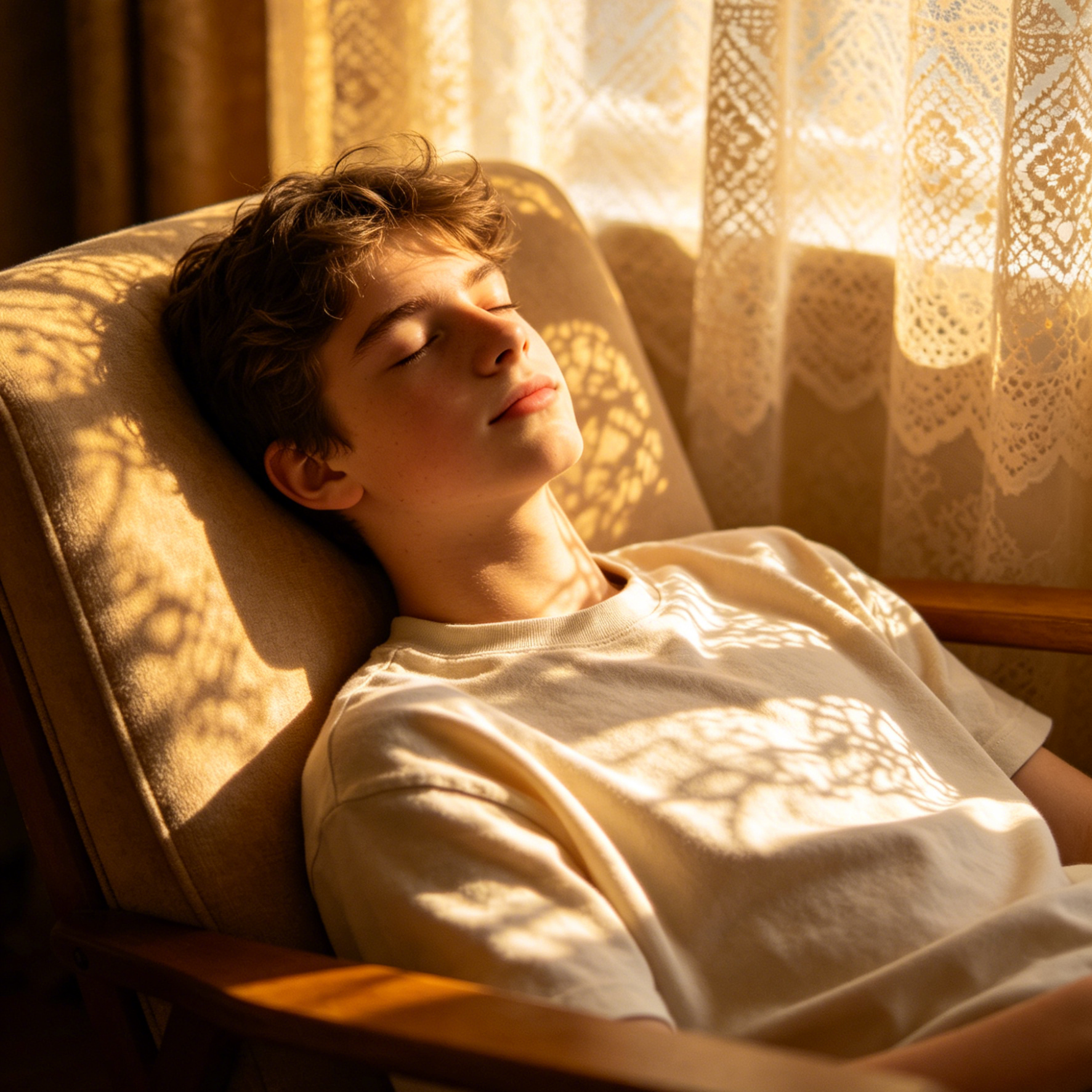
Example output showing how AI Visual Art Generator can adapt visual art ideas to different visual goals and contexts.

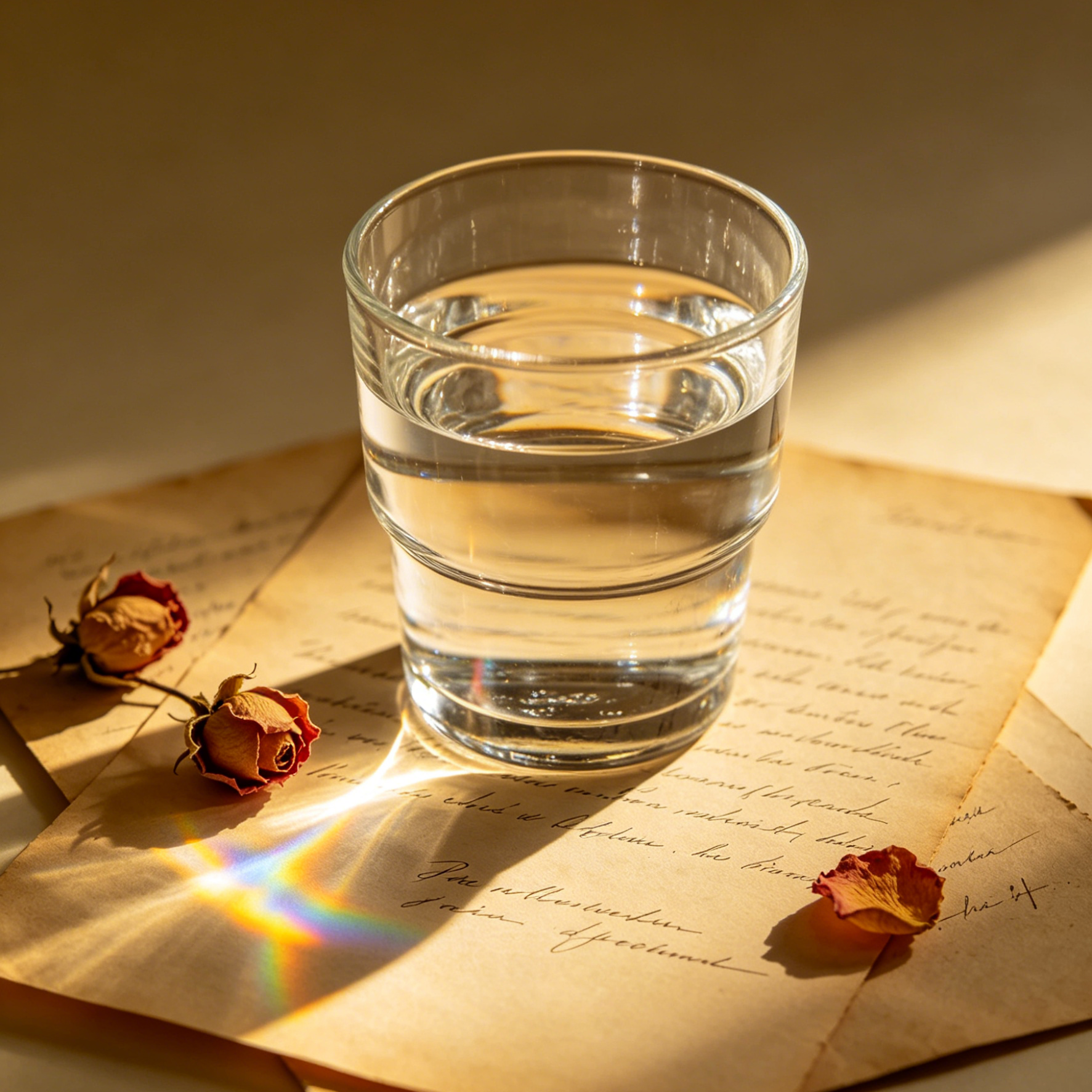
Example output showing how AI Visual Art Generator can adapt visual art ideas to different visual goals and contexts.

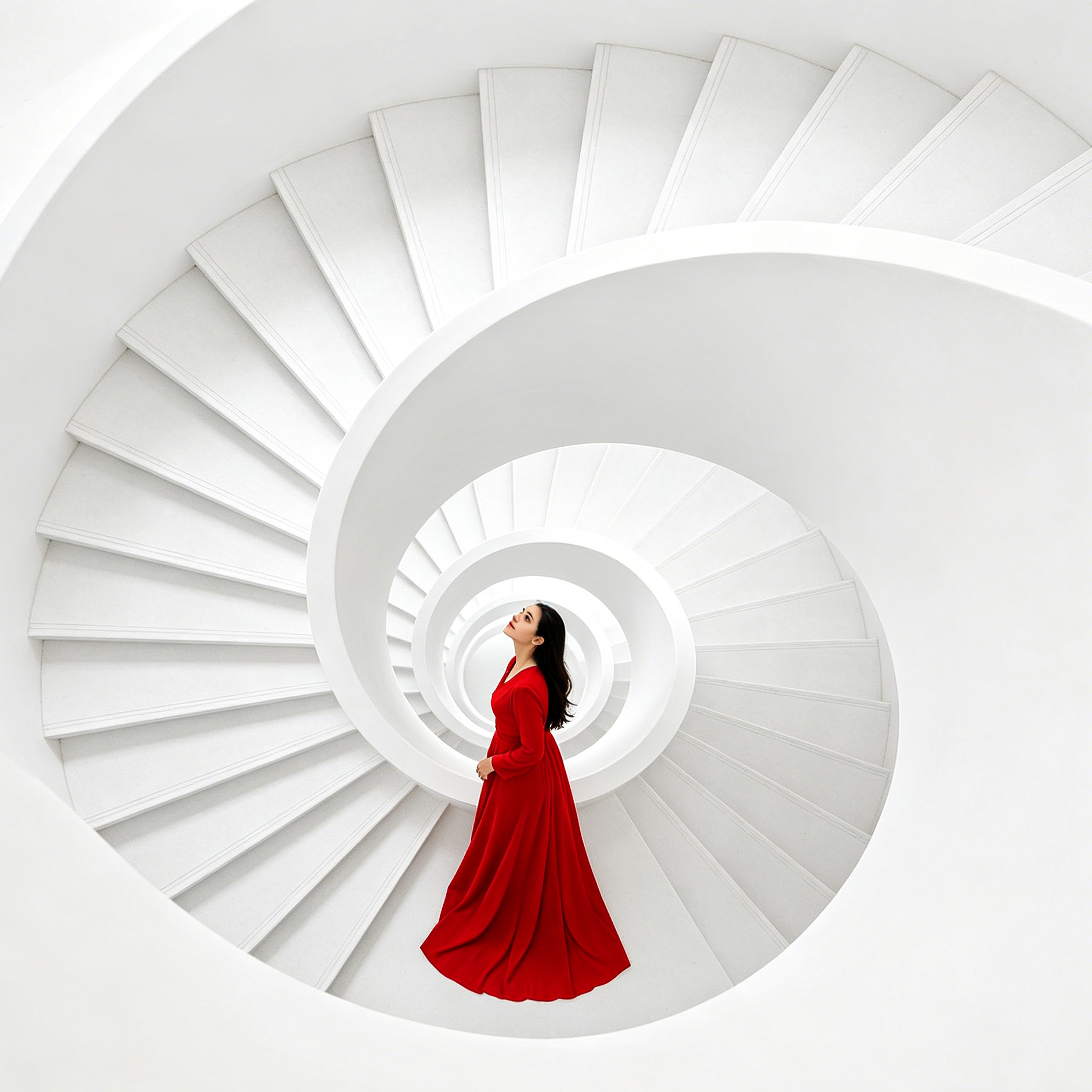
Example output showing how AI Visual Art Generator can adapt visual art ideas to different visual goals and contexts.
Move from a broad idea to a usable image with clearer direction, faster comparisons, and a practical handoff into Seedance 2.5.
Shape the composition, lighting, color, and subject details for a more intentional visual art result.
Use a clear reference and focused direction to keep the visual art look coherent across variations.
Refine the strongest output for social posts, campaign concepts, thumbnails, or design exploration.
Compare alternate framing and styling choices before selecting the final visual art.
Use this workflow when you need a specific visual art rather than a generic asset. Define the intended audience, platform, and visual or tonal direction before generating.
Describe concrete production cues such as composition, lighting, color, styling, and subject detail. Specific direction gives the generator a clearer target and makes each revision easier to evaluate.
Start with the prepared workflow, refine the details that define this visual art, then keep the best result or continue editing in Seedance 2.5.
Open the generator and add a text prompt or uploaded image that clearly establishes the subject and creative direction.
Describe composition, lighting, color, styling, and subject detail, then remove conflicting instructions that could weaken the visual art.
Compare the generated variations, keep the strongest image, and refine it for the final use.
Practical answers about creating, refining, and using a visual art in Seedance 2.5.
It creates a focused visual art from a text prompt or uploaded image. Use the available controls to guide composition, lighting, color, styling, and subject detail, then compare variations before choosing the final result.
Use a clear, high-quality source that makes the main subject easy to identify. A focused source gives the visual art a stronger visual or tonal foundation.
Prioritize composition, lighting, color, styling, and subject detail. Add only details that directly support the intended visual art, and remove instructions that compete with one another.
Keep the strongest visual art as a finished asset or continue refining it with another Seedance 2.5 tool. A focused source and concise prompt make later revisions easier to control.
Commercial use depends on your plan, the applicable model terms, and the rights attached to your source material. Review the current terms before publishing or selling the result.
Move from this visual art into the next Seedance 2.5 tool without losing the direction established in your selected result.
Start with emotion keywords, palette hints, and narrative cues to generate first-pass visual stories with no source image.
Upload sketches, photos, or drafts and transform them into cohesive visual-art outputs with stronger composition.
Run structured remixes to test painterly, minimalist, cinematic, and surreal variants side by side.
Use your own reference pack to preserve motif language, texture rhythm, and storytelling tone across the set.
Use complementary image, video, and audio tools when the project needs additional editing, motion, sound, or format changes.
Ideal for rapid composition trials, mood-board generation, and wide concept branching at speed.
Best for cleaner detail, richer texture behavior, and higher consistency in client-ready art outputs.
Use for regional corrections such as anatomy cleanup, object replacement, and negative-space balancing.
Strong for concept-heavy prompts where semantic interpretation and unconventional direction matter.
Start with a text prompt or uploaded image, direct the details that define the visual art, and refine the strongest result in Seedance 2.5.