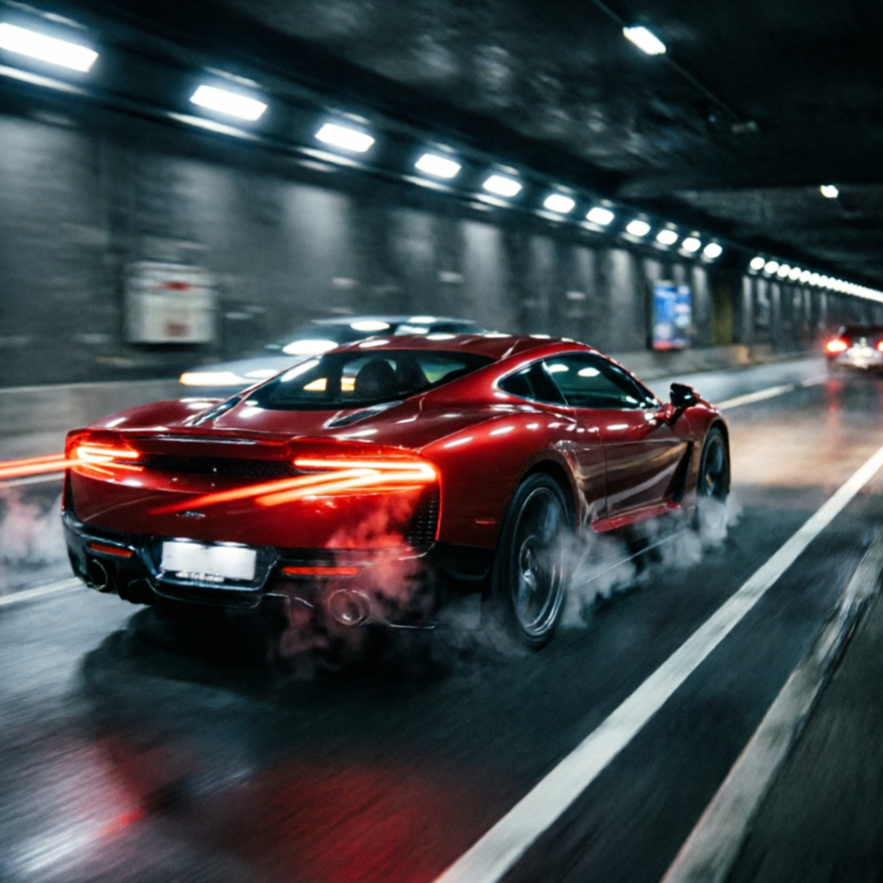
Automotive
Performance Car
High-detail vehicle rendering with reflective bodywork, accurate lighting, and a premium automotive mood.
Performance Car, ai realistic art generator, high visual clarity, expressive composition, polished rendering.
Create a distinctive realistic art with practical controls and reusable direction.
Start with a text prompt or uploaded image and describe the composition, lighting, color, styling, and subject detail that matter for this realistic art. Generate a first image, compare variations, and refine the direction until it fits your intended story, campaign, or design.
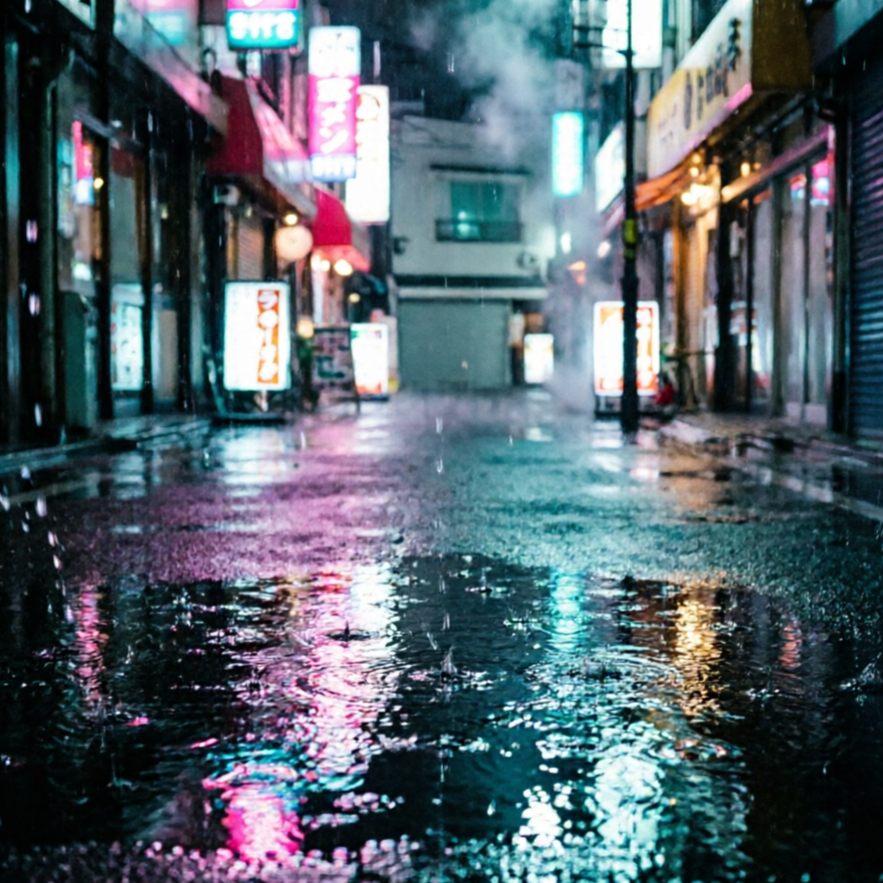
Use this example to study the framing, detail, and creative decisions that make a realistic art feel intentional rather than generic.
Our gallery showcases the breadth of realistic styles achievable, allowing you to compare visual directions before you begin generating.
High-detail vehicle rendering with reflective bodywork, accurate lighting, and a premium automotive mood.
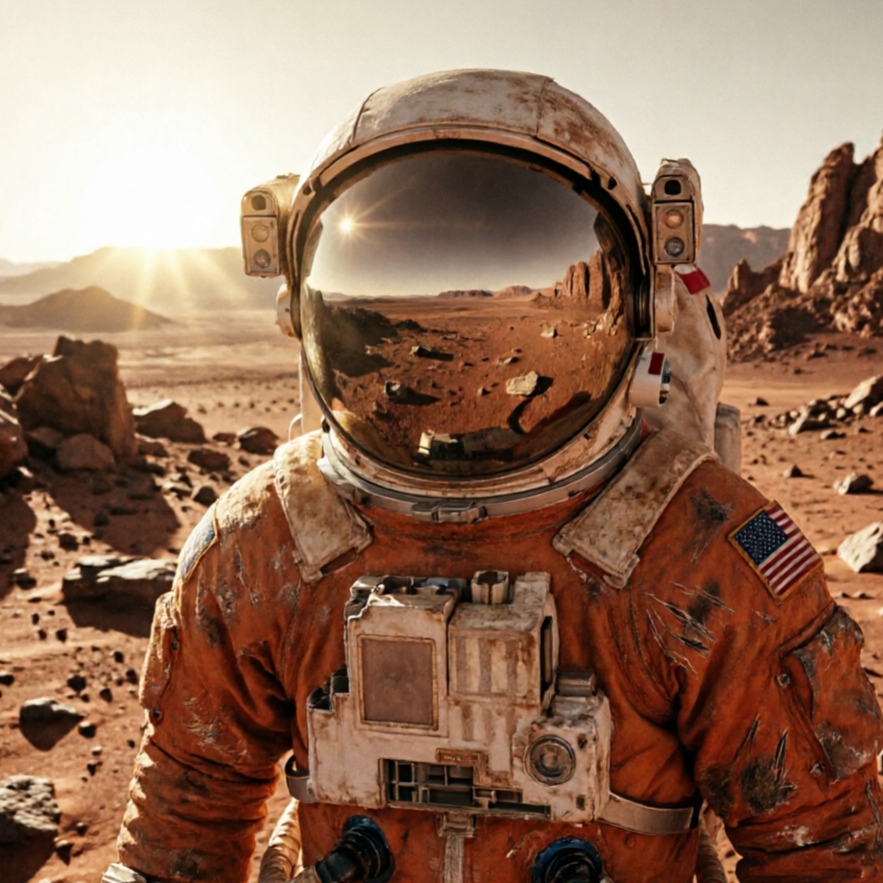
A cinematic realism style for space-themed characters with natural shadows and believable suit textures.

Perfect for product and industrial concepts where metallic material realism and precise detail are paramount.
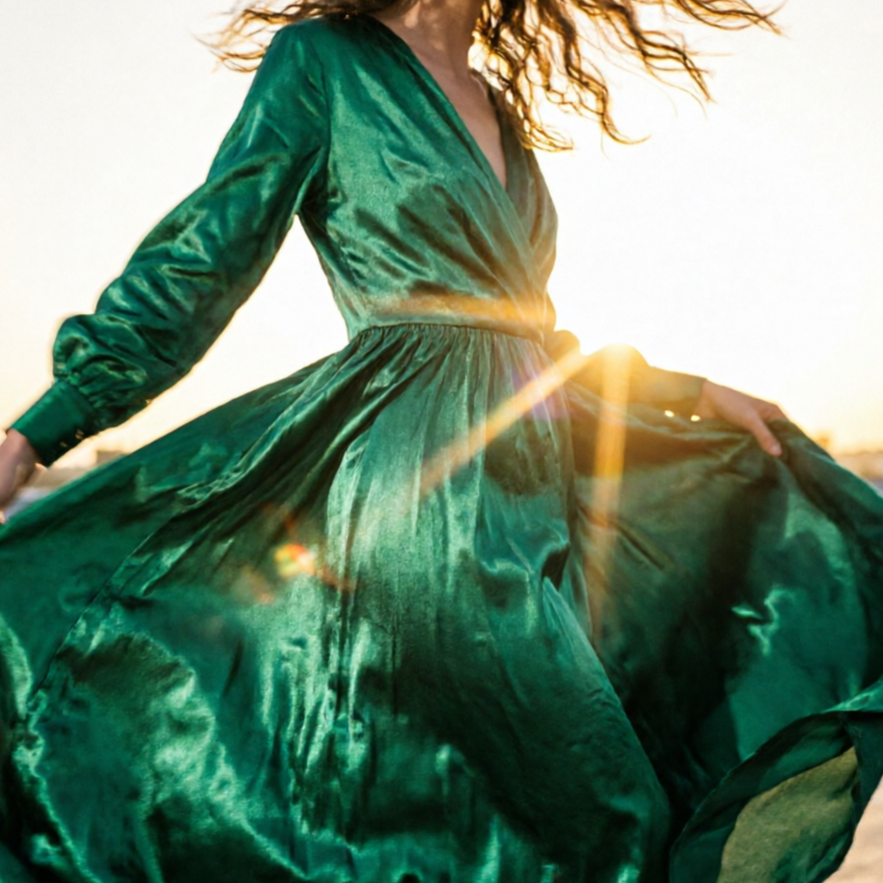
Fashion-oriented realism tuned for fabric detail, balanced skin tones, and editorial framing.
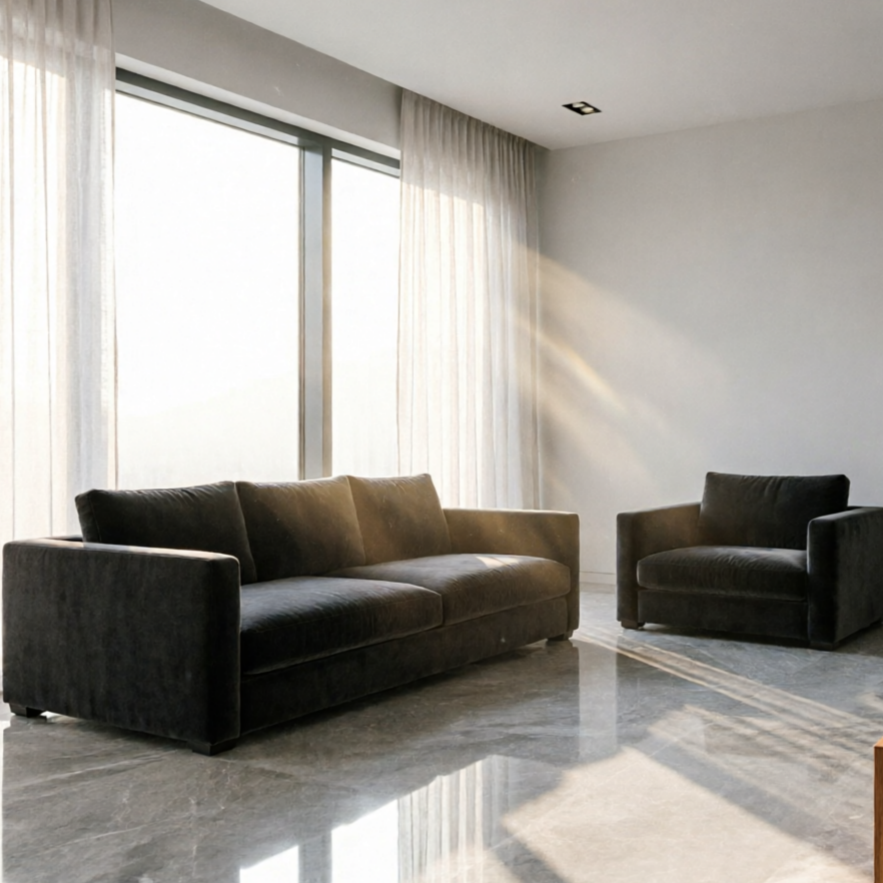
Interior-focused realism for architectural previews, mood boards, and lifestyle staging.
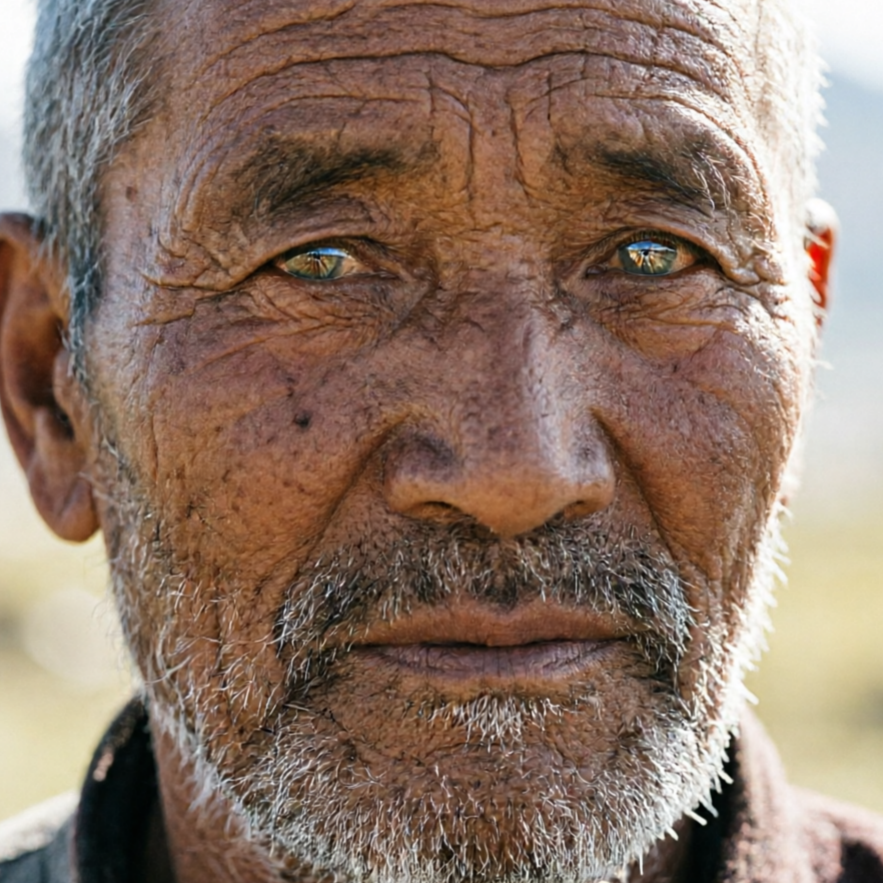
Character realism optimized for age detail, expression clarity, and portrait-grade rendering.
These examples demonstrate the exceptional realism and versatility you can achieve with our AI art generator.
Showcases identity-preserving realism from a single prompt or source reference, capturing subtle human nuances.
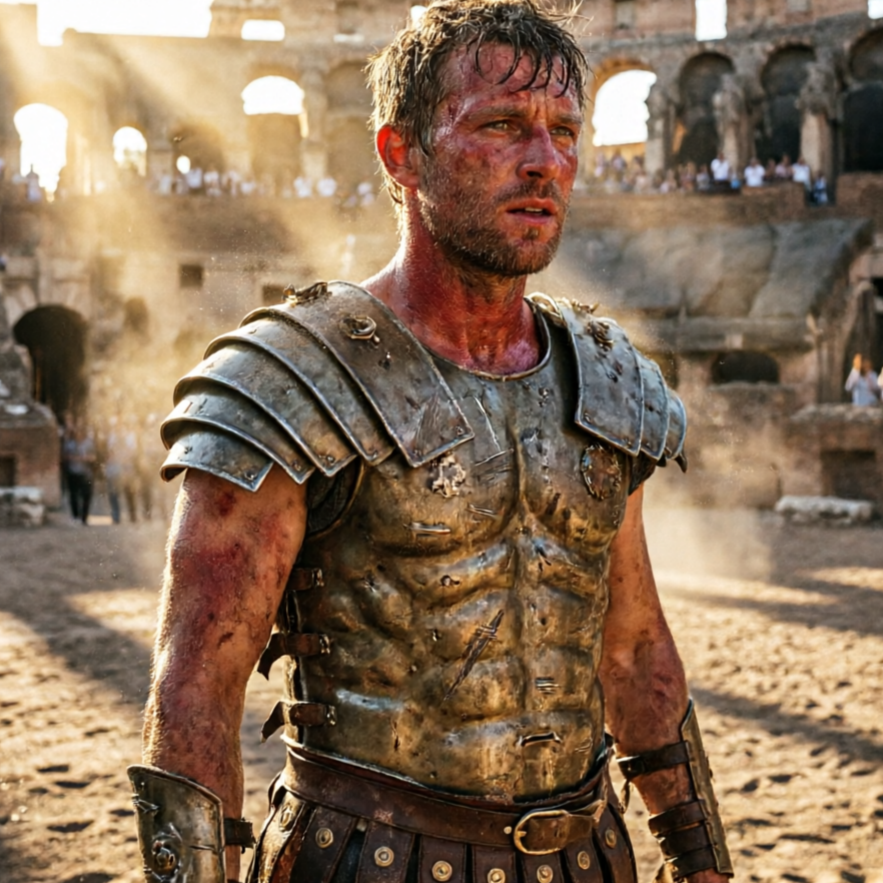
Demonstrates environmental realism with authentic city lighting, atmospheric depth, and intricate urban details.
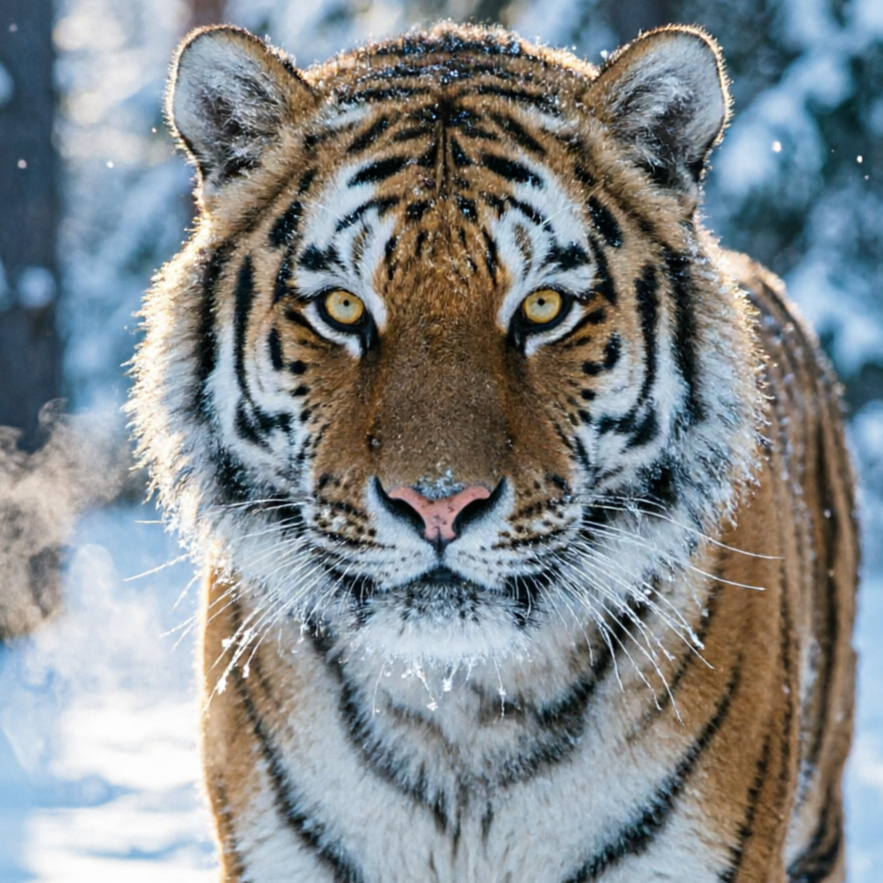
Highlights controlled lighting for cleaner, production-like output quality, ideal for product or conceptual imagery.
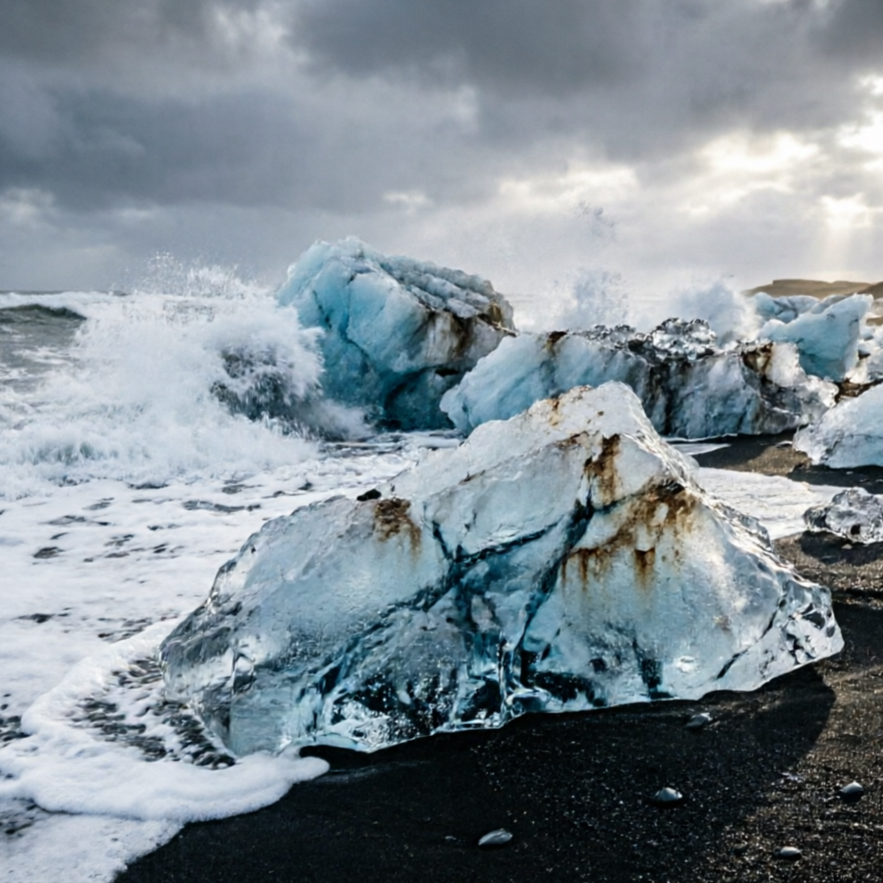
Applies realism to clothing and pose direction, perfect for creating campaign-style visuals with lifelike fabric and form.
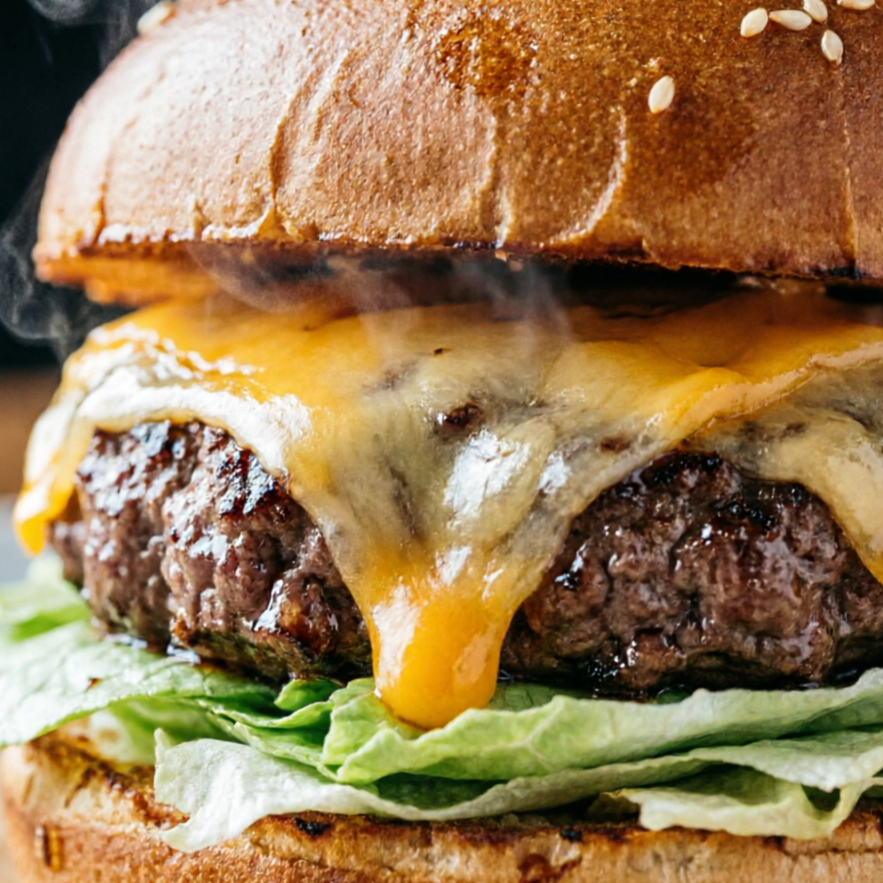
Useful for concept art that requires photorealistic surface quality and believable character design.
Move from a broad idea to a usable image with clearer direction, faster comparisons, and a practical handoff into Seedance 2.5.
Shape the composition, lighting, color, and subject details for a more intentional realistic art result.
Use a clear reference and focused direction to keep the realistic art look coherent across variations.
Refine the strongest output for social posts, campaign concepts, thumbnails, or design exploration.
Compare alternate framing and styling choices before selecting the final realistic art.
Use this workflow when you need a specific realistic art rather than a generic asset. Define the intended audience, platform, and visual or tonal direction before generating.
Describe concrete production cues such as composition, lighting, color, styling, and subject detail. Specific direction gives the generator a clearer target and makes each revision easier to evaluate.
Start with the prepared workflow, refine the details that define this realistic art, then keep the best result or continue editing in Seedance 2.5.
Open the generator and add a text prompt or uploaded image that clearly establishes the subject and creative direction.
Describe composition, lighting, color, styling, and subject detail, then remove conflicting instructions that could weaken the realistic art.
Compare the generated variations, keep the strongest image, and refine it for the final use.
Practical answers about creating, refining, and using a realistic art in Seedance 2.5.
It creates a focused realistic art from a text prompt or uploaded image. Use the available controls to guide composition, lighting, color, styling, and subject detail, then compare variations before choosing the final result.
Use a clear, high-quality source that makes the main subject easy to identify. A focused source gives the realistic art a stronger visual or tonal foundation.
Prioritize composition, lighting, color, styling, and subject detail. Add only details that directly support the intended realistic art, and remove instructions that compete with one another.
Keep the strongest realistic art as a finished asset or continue refining it with another Seedance 2.5 tool. A focused source and concise prompt make later revisions easier to control.
Commercial use depends on your plan, the applicable model terms, and the rights attached to your source material. Review the current terms before publishing or selling the result.
Move from this realistic art into the next Seedance 2.5 tool without losing the direction established in your selected result.
Specify lens feel, lighting setup, and environment details to generate photo-like concepts from scratch.
Start from a low-light or low-detail image and rebuild it with cleaner materials, skin texture, and depth.
Iterate exposure mood, micro-contrast, and depth-of-field intensity until the frame feels camera-authentic.
Upload surfaces or object references to maintain believable material behavior in final renders.
Use complementary image, video, and audio tools when the project needs additional editing, motion, sound, or format changes.
A general-purpose image model for broader prompt exploration, extending beyond the specific presets of this realistic effect.
Opt for this higher-quality path for detail-sensitive generations and a cleaner, more polished rendering of realistic imagery.
Ideal when preserving reference details during edits is more crucial than a full re-generation, perfect for subtle realistic adjustments.
An alternative high-quality renderer for comparing different style interpretations and output fidelity in your realistic art.
Start with a text prompt or uploaded image, direct the details that define the realistic art, and refine the strongest result in Seedance 2.5.