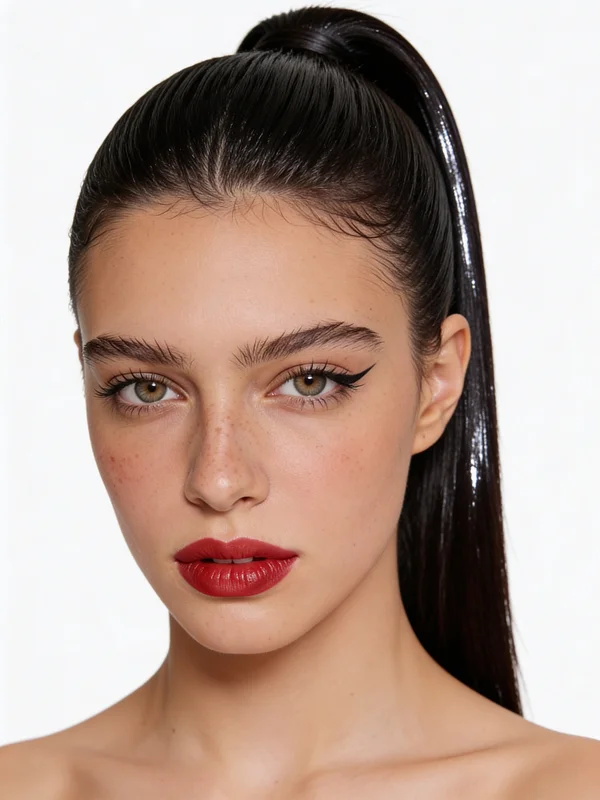
Hero Crop
Centered glamour portrait
Shape the composition, lighting, color, and subject details for a more intentional makeup-enhanced image result.
Create a distinctive makeup-enhanced image with practical controls and reusable direction.
Start with an uploaded image and describe the composition, lighting, color, styling, and subject detail that matter for this makeup-enhanced image. Generate a first image, compare variations, and refine the direction until it fits your intended story, campaign, or design.
Use this example to study the framing, detail, and creative decisions that make a makeup-enhanced image feel intentional rather than generic.
Compare variations in framing, styling, motion, and finish to decide which makeup-enhanced image direction best supports your project.
Shape the composition, lighting, color, and subject details for a more intentional makeup-enhanced image result.
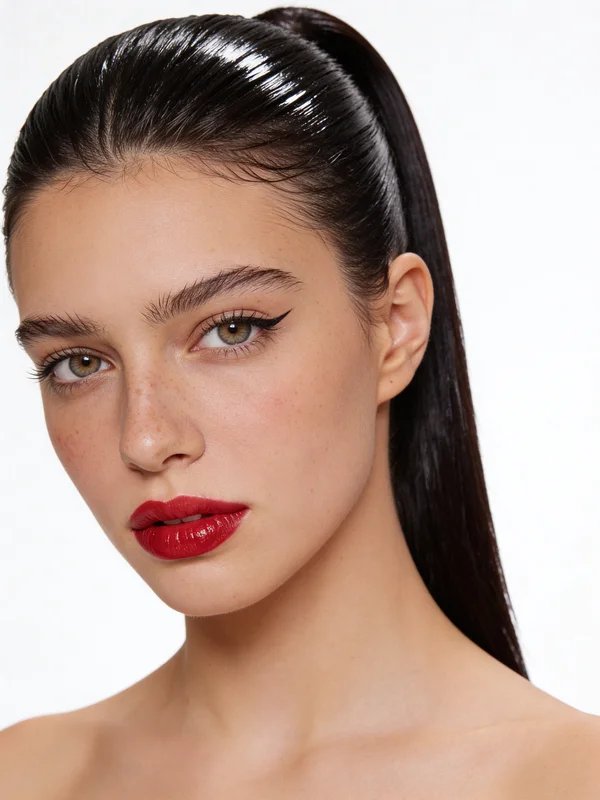
Use a clear reference and focused direction to keep the makeup-enhanced image look coherent across variations.
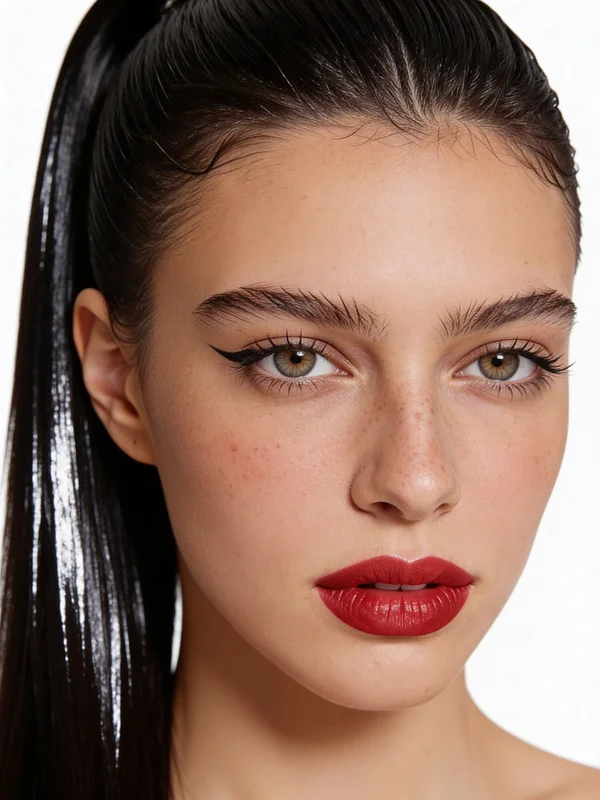
Refine the strongest output for social posts, campaign concepts, thumbnails, or design exploration.
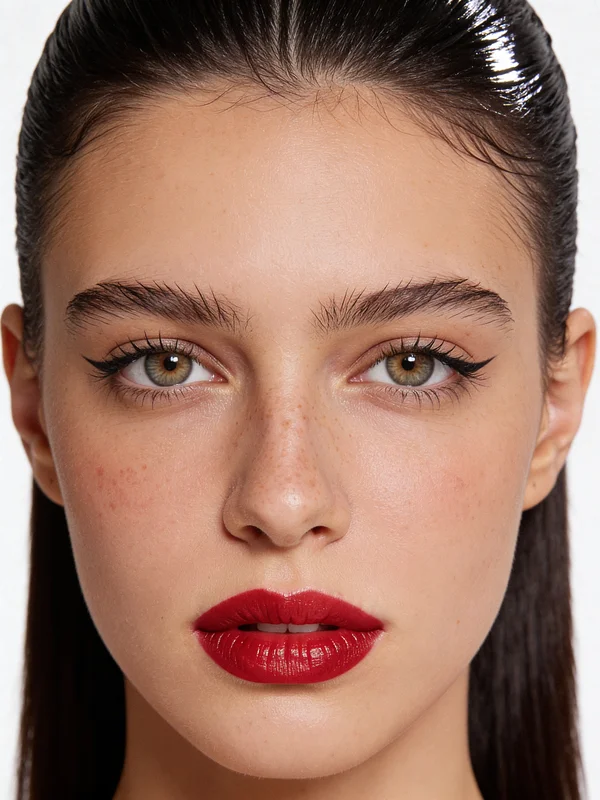
Compare alternate framing and styling choices before selecting the final makeup-enhanced image.
Move from a broad idea to a usable image with clearer direction, faster comparisons, and a practical handoff into Seedance 2.5.
Shape the composition, lighting, color, and subject details for a more intentional makeup-enhanced image result.
Use a clear reference and focused direction to keep the makeup-enhanced image look coherent across variations.
Refine the strongest output for social posts, campaign concepts, thumbnails, or design exploration.
Compare alternate framing and styling choices before selecting the final makeup-enhanced image.
Use this workflow when you need a specific makeup-enhanced image rather than a generic asset. Define the intended audience, platform, and visual or tonal direction before generating.
Describe concrete production cues such as composition, lighting, color, styling, and subject detail. Specific direction gives the generator a clearer target and makes each revision easier to evaluate.
Start with the prepared workflow, refine the details that define this makeup-enhanced image, then keep the best result or continue editing in Seedance 2.5.
Open the generator and add an uploaded image that clearly establishes the subject and creative direction.
Describe composition, lighting, color, styling, and subject detail, then remove conflicting instructions that could weaken the makeup-enhanced image.
Compare the generated variations, keep the strongest image, and refine it for the final use.
Practical answers about creating, refining, and using a makeup-enhanced image in Seedance 2.5.
It creates a focused makeup-enhanced image from an uploaded image. Use the available controls to guide composition, lighting, color, styling, and subject detail, then compare variations before choosing the final result.
Use a clear, high-quality source that makes the main subject easy to identify. A focused source gives the makeup-enhanced image a stronger visual or tonal foundation.
Prioritize composition, lighting, color, styling, and subject detail. Add only details that directly support the intended makeup-enhanced image, and remove instructions that compete with one another.
Keep the strongest makeup-enhanced image as a finished asset or continue refining it with another Seedance 2.5 tool. A focused source and concise prompt make later revisions easier to control.
Move from this makeup-enhanced image into the next Seedance 2.5 tool without losing the direction established in your selected result.
Generate a beauty-led concept frame from scratch when you want to explore styling before you commit to a subject or reference photo.
Keep a real portrait and push it toward the same makeup brief with more control over identity, framing, and surface detail.
Branch the same beauty setup into softer editorial, stronger glam, or cleaner campaign directions without rebuilding the portrait from zero.
Use your own face, mood board, or lighting reference when you need the output to stay close to an approved beauty direction.
Use complementary image, video, and audio tools when the project needs additional editing, motion, sound, or format changes.
Good for quick image ideation when you want to test multiple beauty directions before selecting a lead frame.
A stronger choice when the portrait needs cleaner finish, tighter beauty control, and more reusable reference quality.
Useful when the job is more about transforming an existing portrait while preserving structure and subject identity.
Helpful for broader visual ideation when the beauty look needs to sit inside a larger campaign art direction.
Start with an uploaded image, direct the details that define the makeup-enhanced image, and refine the strongest result in Seedance 2.5.